
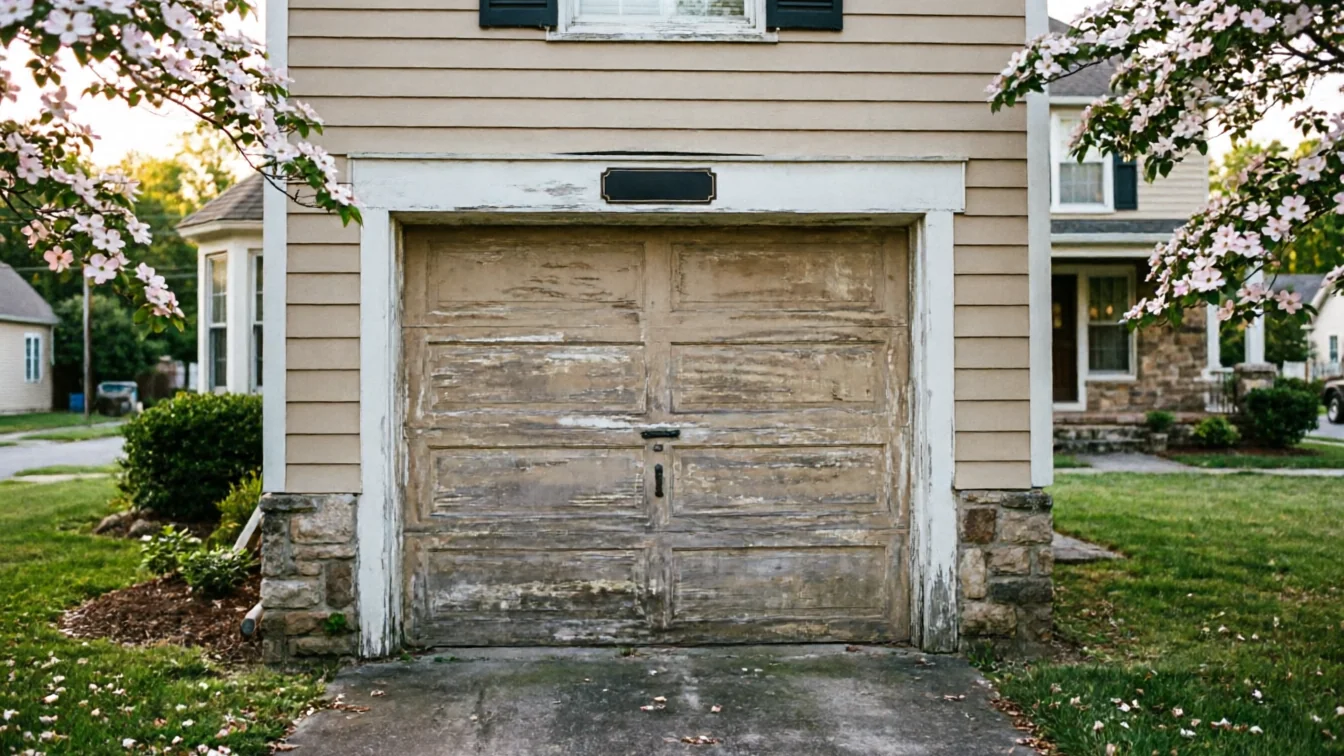
What an Older Garage Door in Albany Is Actually Worth Fixing
Albany homeowners with 1980s and '90s garage doors: see what's worth repairing, what Georgia heat does to tracks and springs, and when to replace instead.
Read moreA look at what garage door work actually costs and when it's worth it for Albany, GA houses built mostly between 1976 and 2002, plus what local heat does to openers.
Local detail
We don't post a price list here because what a job costs depends on what's wrong and what's on the door, and guessing a number for every house in the service area does nobody any favors. What we can tell you is who we're pricing for: the service area around Albany runs about 2,618 households, with 1,441 of those being owner-occupied houses, and median household income sits at $70,343. That's a working-class to middle-income mix, which is why most of the calls we get are repair calls, not full replacement calls - people want the door fixed right, not upgraded to something fancier than the house needs.
If you're calling around for quotes, ask what's included: is it just the part, or the part plus the service call, plus any hardware that has to come with it because the old stuff doesn't match anymore. A spring job and a full door swap are priced nothing alike, and anyone who quotes you a number over the phone without seeing the door is guessing same as you would be.
The area
This area sits in a moderate heat climate band, which is a different kind of wear than the deep-freeze towns up north deal with, but it's still wear. Heat cycling softens the grease in rollers and bearings faster than a cool climate would, and it swells wood-frame garage doors just enough that the seal along the bottom starts dragging instead of sitting flush. Neither of those shows up as a dramatic failure - they show up as a door that's a little louder, a little slower, a little harder to close all the way, for months before anyone calls us.
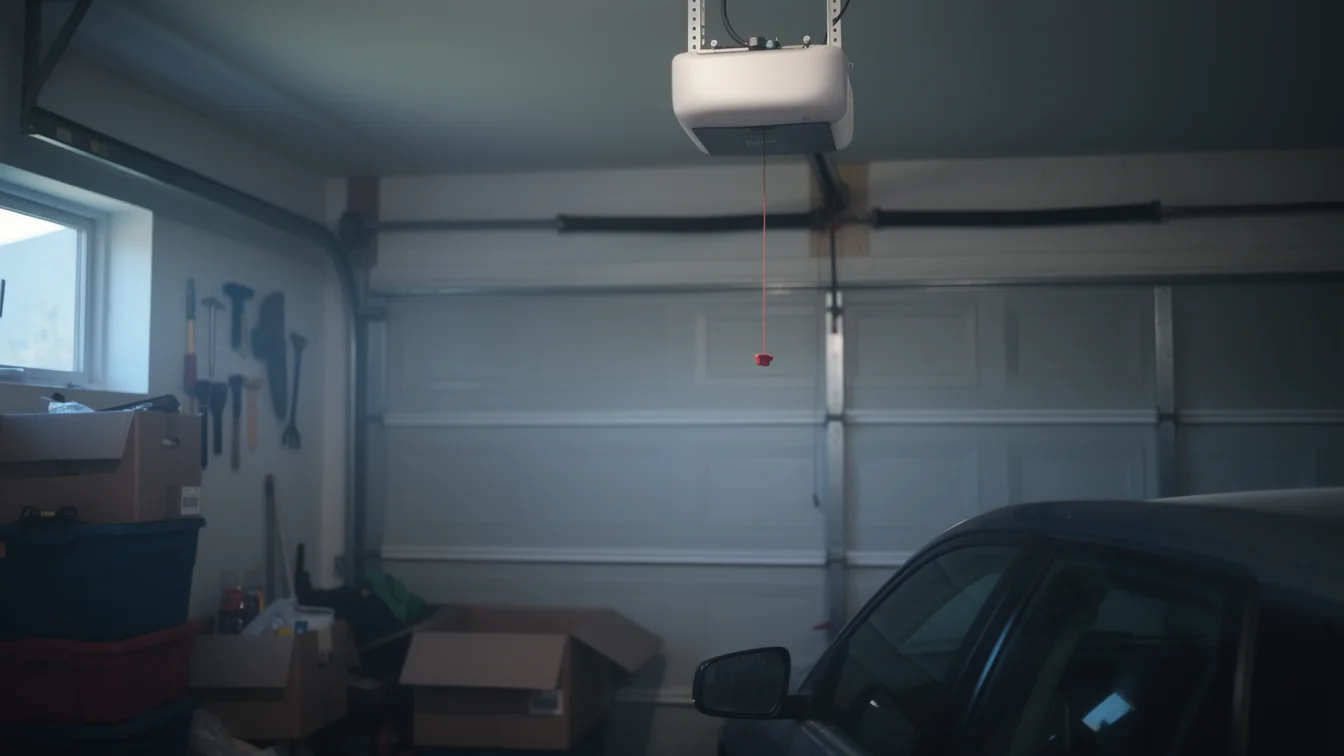
Power cuts are the other half of it. When the power drops, even for a short stretch, openers and power cuts go together more than people expect - the opener loses its position memory, and the next time it runs, it can over-travel or under-travel until it's reset. If your door's been acting a little off after a storm knocked the power out, that's usually the opener, not the springs, and it's a quick fix if you catch it early.
What we find
Most of the housing stock in this service area went up between 1976 and 2002, with the bulk of it dating to the 1980s and 90s, spread across two named areas of mostly single-family houses. That build window matters more than people think. Doors and openers from that era were built to a lighter standard than what's sold today - thinner steel, single-point latching on some models, openers without rolling-code security or battery backup. A lot of those original units are still in service, just getting quieter about their complaints every year.
What we see most often on service calls in these neighborhoods isn't catastrophic failure - it's accumulated small stuff. A roller that's worn its track groove wider than spec. A cable with visible fray that still holds, for now. An opener logic board from the 90s that resets itself at random. None of it stops the door from working today. All of it is the reason the door stops working on a Tuesday morning with no warning.
How we work
Tightening a loose bracket or swapping a remote battery - fine, do that yourself. Torsion springs are not that job. A door built in the 1980s or 90s carries spring tension sized for its original panel weight, and if you don't know that number, you're guessing with a coil that can take a finger off if it slips the winding bar. We'll say it plainly: we don't talk anyone through a spring swap over the phone, and we wouldn't trust a shop that does.
The other line is age plus symptom. A door from this build era that's started binding on the track *and* the opener is cycling erratically is usually two problems wearing on each other, not one. That's where DIY stops being cheaper - chasing one symptom at a time on an old system usually costs more in parts and callbacks than just having someone look at the whole thing once. If your house falls in that 1976-2002 window and the door's doing more than one odd thing at once, that's the point to call rather than keep adjusting.
Questions
Most residential openers from the 1980s and 90s don't hold position memory through a power loss. When the power comes back, the opener can misjudge where the door's travel limits are, which looks like the door stopping short or slamming the last few inches. It's usually a quick reset, not a sign the opener's dying.
Depends on the fault. A bad logic board or dead capacitor on an older unit can cost close to what a new opener runs once labor's added in. If your opener's original to a house built in the 1976-2002 window and it's throwing random faults, replacement usually makes more sense than chasing an intermittent board issue.
We cover the Albany service area along with Putney, about 8 miles out, Leesburg at 11 miles, and Oak Hill to the west at 18 miles. Call and tell us where you are and we'll confirm.
We don't talk customers through torsion spring replacement over the phone. The tension on a residential spring sized for an older door's panel weight can injure someone who doesn't have the bars and the experience. That one's a truck call, not a how-to.
Recommendation
More garage door guides for Albany homeowners.
Albany homeowners with 1980s and '90s garage doors: see what's worth repairing, what Georgia heat does to tracks and springs, and when to replace instead.
Read more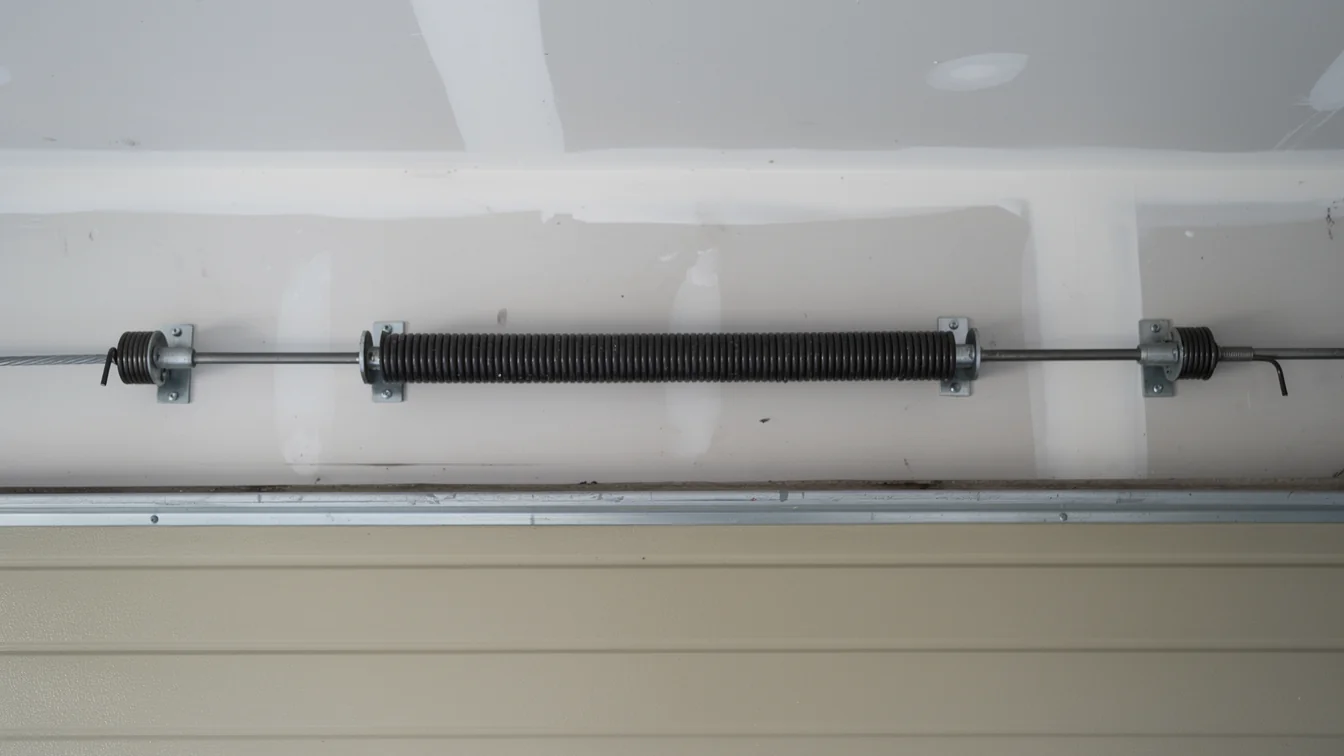
What Albany homeowners actually pay for garage door work, why the area's 1976-2002 housing stock and moderate heat band matter, and when to stop DIYing it.
Read more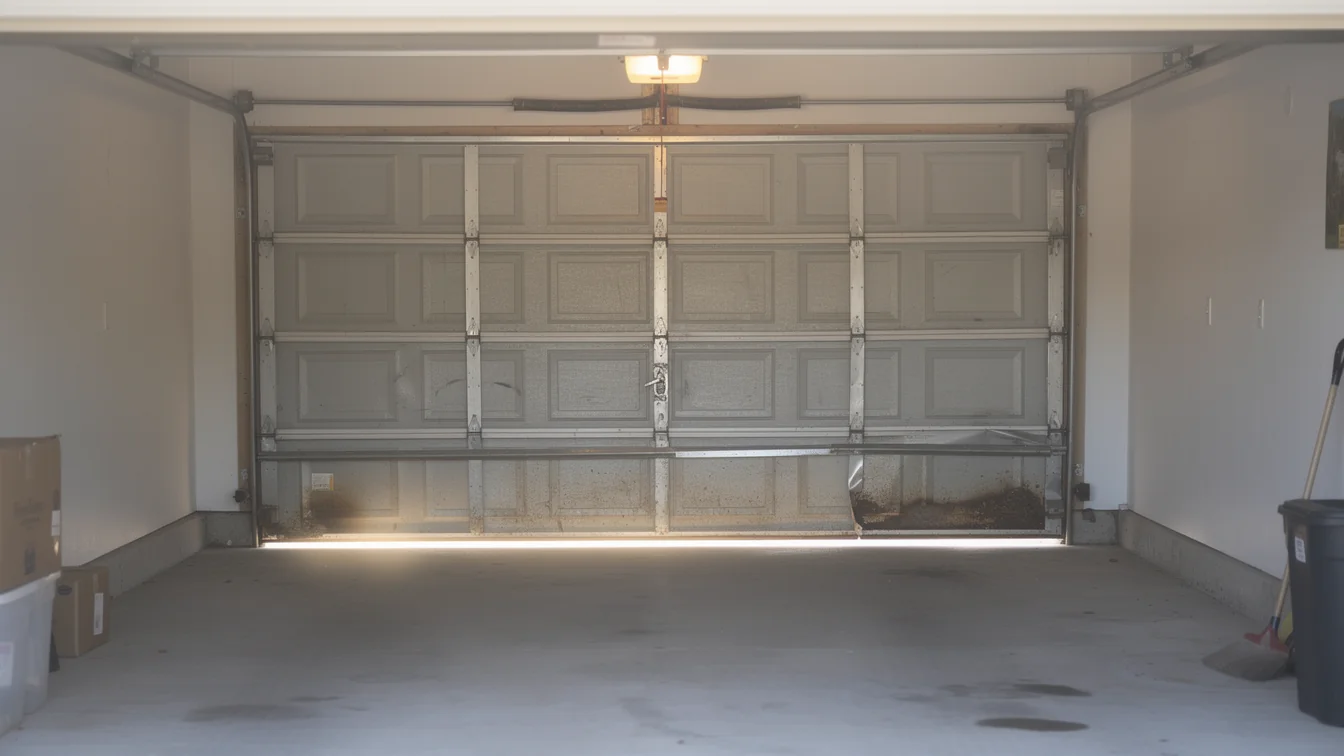
Most Albany-area homes date to 1976-2002.
Read moreReady when you are
Albany Garage Door Pros repairs and installs garage doors, springs and openers in Albany, GA and the surrounding area.