
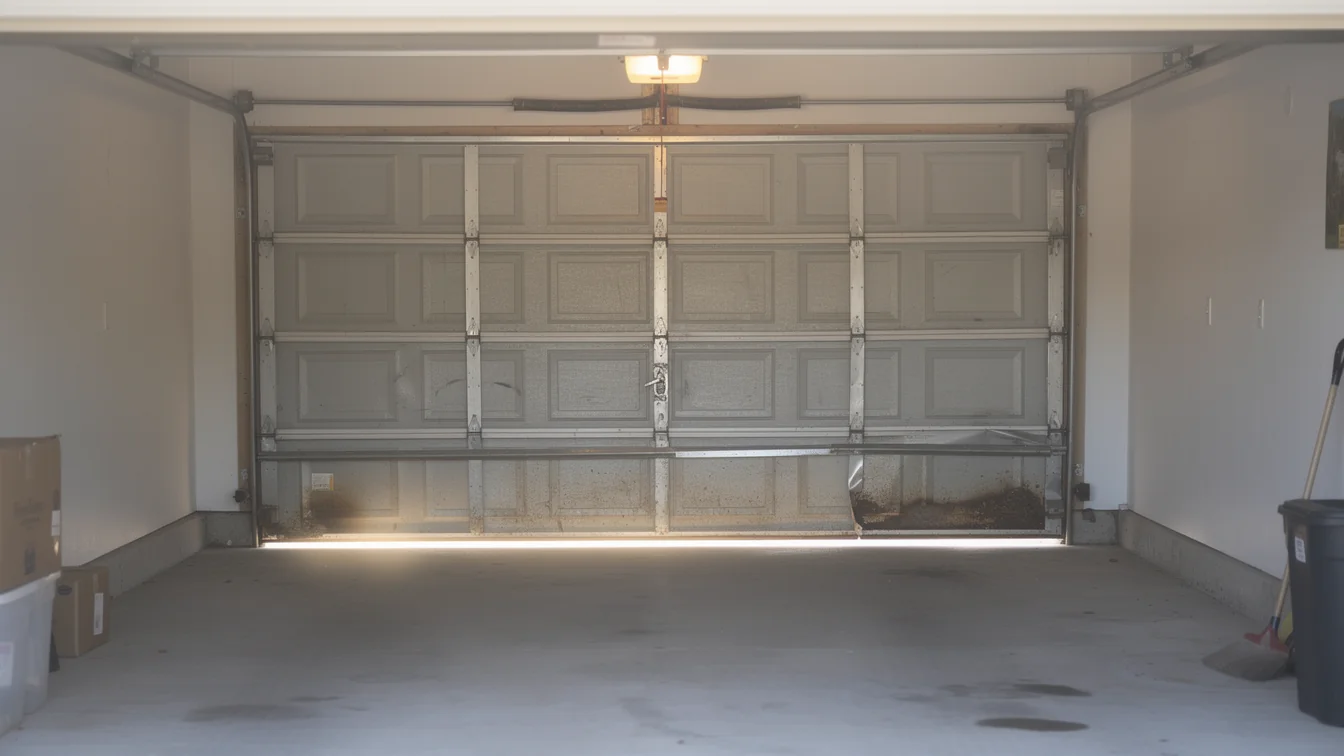
What Your Door Is Up Against in Albany
Most Albany-area homes date to 1976-2002.
Read moreAlbany homeowners with 1980s and '90s garage doors: see what's worth repairing, what Georgia heat does to tracks and springs, and when to replace instead.
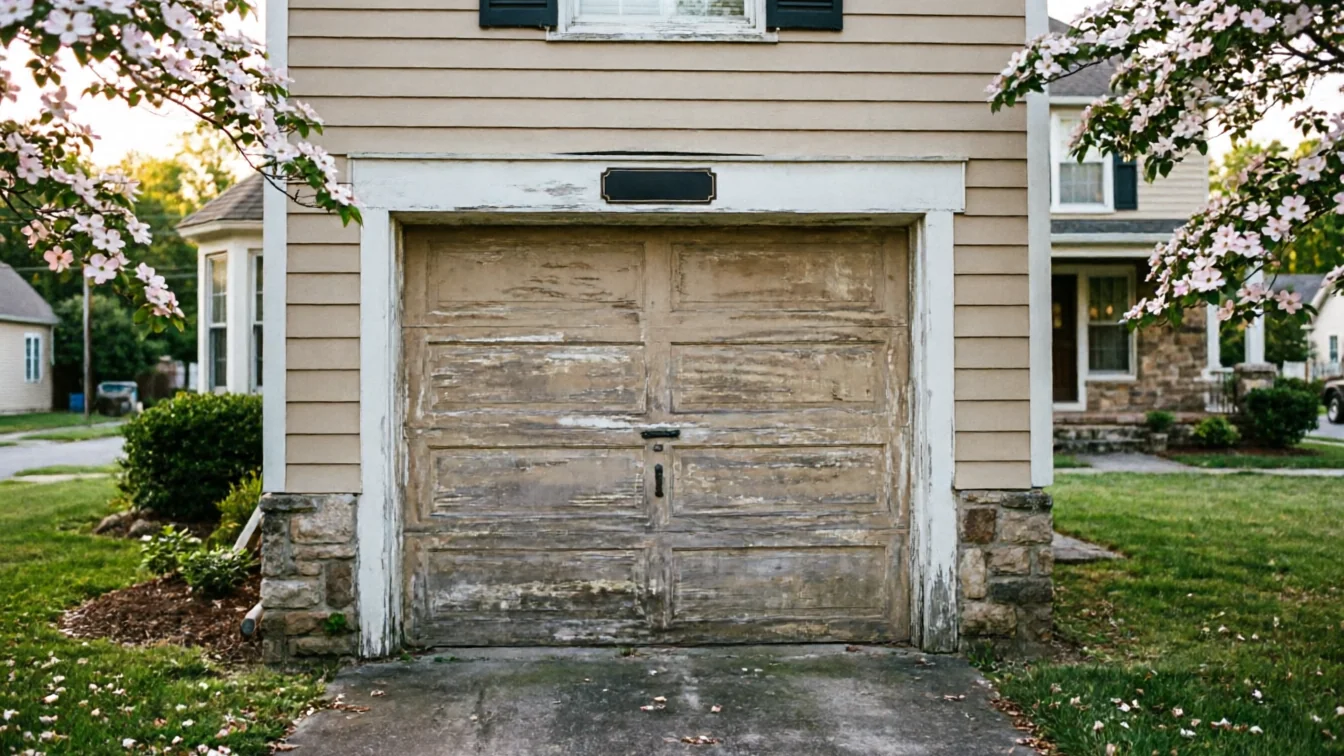
Local detail
We're not going to give you a number here, because we don't have a flat rate sitting in a FACTS sheet and making one up would be worse than saying nothing. What we can tell you is how the decision usually gets made in this area. Median household income across the service area runs $70,343, and that's the number that quietly sits behind every repair-versus-replace call we have with a homeowner. On a door from the 1976-2002 building run that most houses here came out of, a torsion spring swap or a roller replacement is a different conversation than trying to source panels for a door nobody makes parts for anymore. The age of the door drives the cost more than the brand name on it ever does. If your opener, track, and panels are all original to a house built in the late '80s, you're not patching a modern door - you're patching something closer to 35-45 years old, and that changes what a fair repair bill looks like versus what a new door costs installed. We'll tell you straight when a repair isn't worth the parts chase.
The area
Albany sits in a moderate-heat climate band, not a freeze-thaw zone. That matters for what actually fails on your door. You're not dealing with ice splitting a slab or a track seizing shut on a cold morning. What you get instead is heat working on rubber and lubricant year-round - the bottom seal drying and cracking faster, grease on rollers and hinges cooking out and going gummy, and opener motors working harder on the hottest stretches of the year when the garage itself holds heat. On doors built in the 1980s and '90s, the steel is usually fine. It's the consumable parts - seals, lubrication, nylon rollers - that give out first under sustained heat, not catastrophic cold damage. That's a slower kind of wear than what colder climates deal with, but it's constant, and it's easy to ignore because nothing breaks dramatically overnight. The honest version: heat wear shows up as noise and stiffness months before it shows up as a door that won't move, so if your door's gotten louder over the summer, that's the climate talking, not just age.
What we find
Most of the housing stock we see across the service area went up between 1976 and 2002, with the median landing around 1989, concentrated in two parts of town built out in that same era. That means a lot of doors on torsion hardware mounted the way builders did it through the '80s and '90s - steel sectional panels, a center torsion spring over the opening, chain or belt drive openers added later when the original hardware wore out. Across the 2,618 households in the area, 1,441 are owner-occupied houses, and a good share of those still have hardware that's original or close to it. What's actually going on, mechanically, is straightforward: springs lose tension over decades of cycles, rollers wear oval instead of round, and track brackets loosen from the same wood they were screwed into thirty-plus years ago. None of that is a design flaw in the door - it's just what happens to steel and springs run tens of thousands of cycles. The door isn't broken because it's bad. It's worn because it's done its job for a long time.
How we work
A loose hinge screw or a dirty track, fine - grab a ladder. A torsion spring under tension, a frayed cable, or a door that's come off its track is not a weekend project, full stop, regardless of how old the door is. Springs on these older setups store enough force to break a bone if they let go wrong, and on a door from the 1976-2002 era, the hardware holding that spring in place has had decades to fatigue in ways you can't always see from the ground. The other line we draw, and we'll say it plainly: if a door this old has a bent track, a split bottom panel, and a dying opener all at once, we're not going to sell you three separate repairs to keep a 40-year-old door limping along. At some point patching an original door from that building era costs more in labor than starting over costs in parts and panels. That's not us pushing a sale - it's just where the math stops making sense for a door of that age.
Questions
If your house went up in the building boom this area saw between 1976 and 2002, and nobody's mentioned replacing the door, there's a decent chance it's original or close to it. Steel panels, a single center torsion spring, and a chain-drive opener added later are the usual signs of hardware from that era.
It wears them rather than damages them outright. Moderate heat here dries out bottom seals, cooks lubricant out of rollers and hinges, and makes opener motors work harder in summer. It's slow wear, not sudden failure, which is why a door can get noisy for months before anything actually breaks.
When the spring, track, panels, and opener are all failing at once on a door that's decades old, repair costs start stacking up past what a new door installed would run. We'll tell you when you've hit that point instead of billing you for each part separately.
Recommendation
More garage door guides for Albany homeowners.
Most Albany-area homes date to 1976-2002.
Read more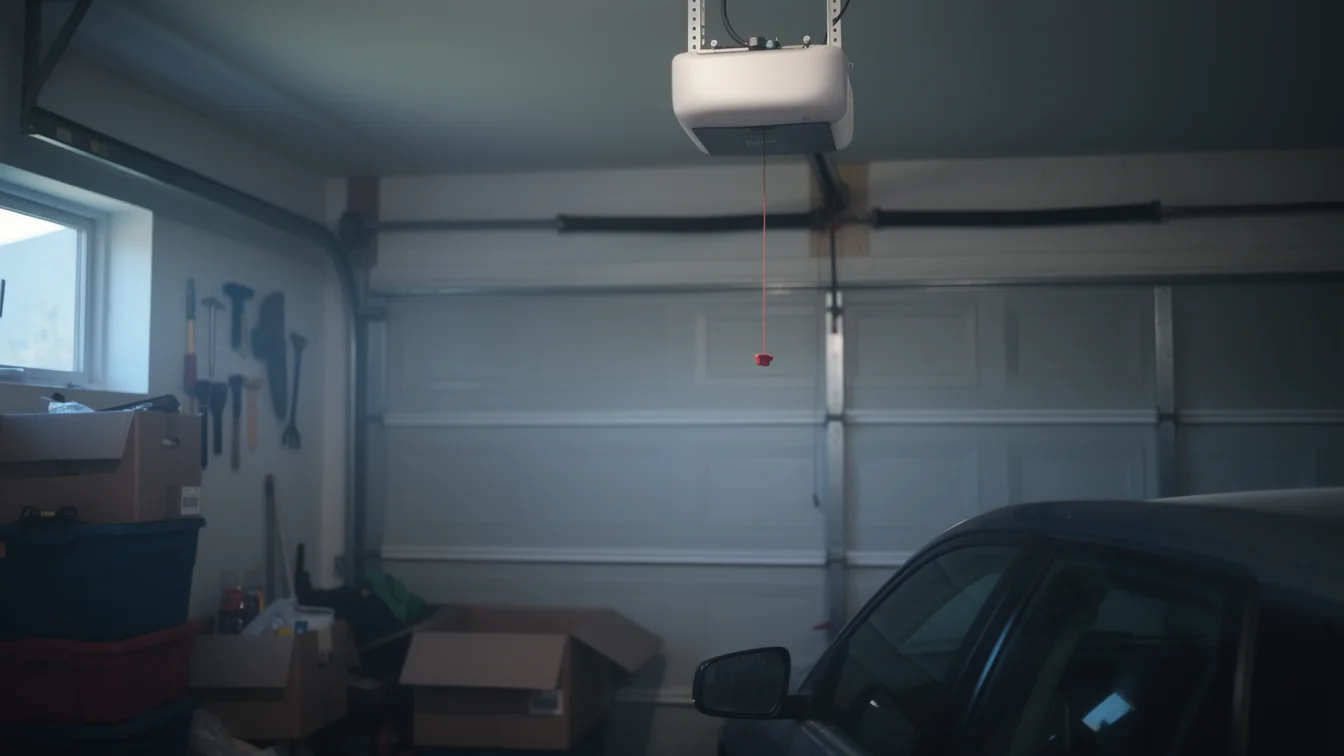
A look at what garage door work actually costs and when it's worth it for Albany, GA houses built mostly between 1976 and 2002, plus what local heat does to openers.
Read more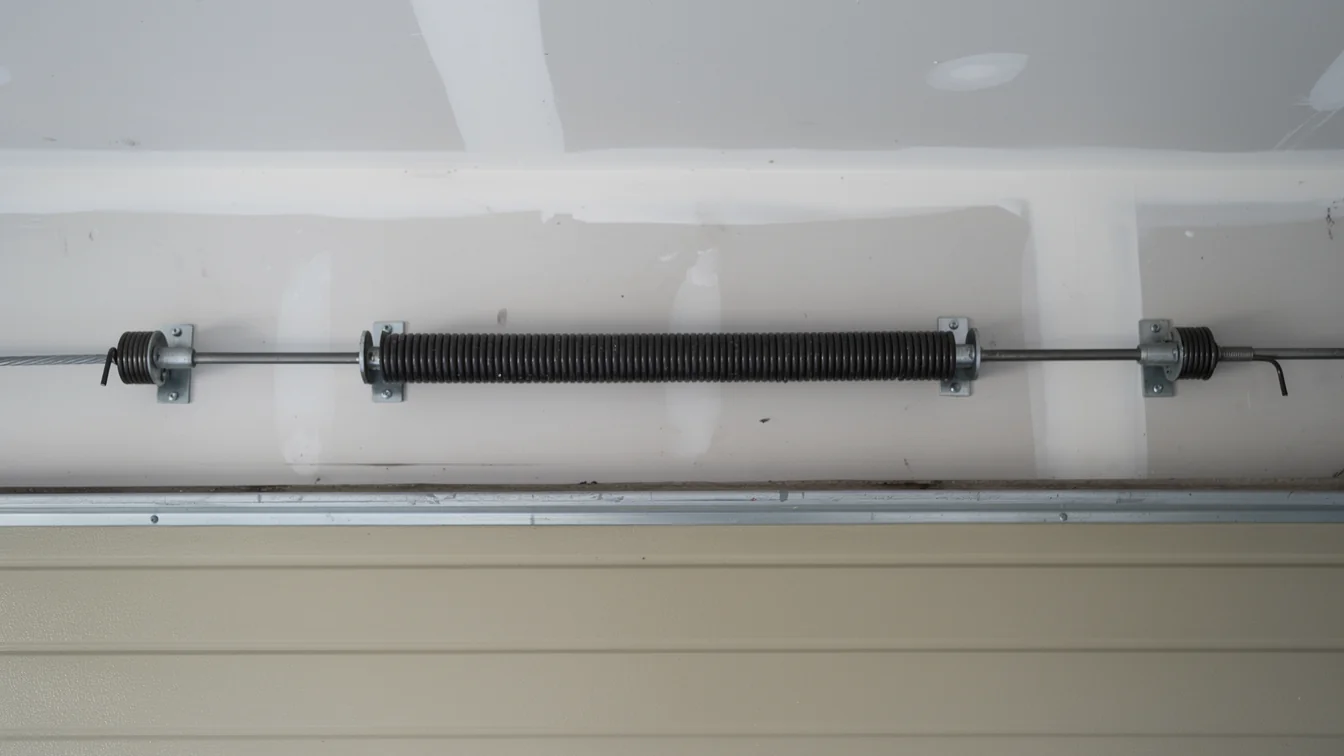
What Albany homeowners actually pay for garage door work, why the area's 1976-2002 housing stock and moderate heat band matter, and when to stop DIYing it.
Read moreReady when you are
Albany Garage Door Pros repairs and installs garage doors, springs and openers in Albany, GA and the surrounding area.