What Causes It Around Here
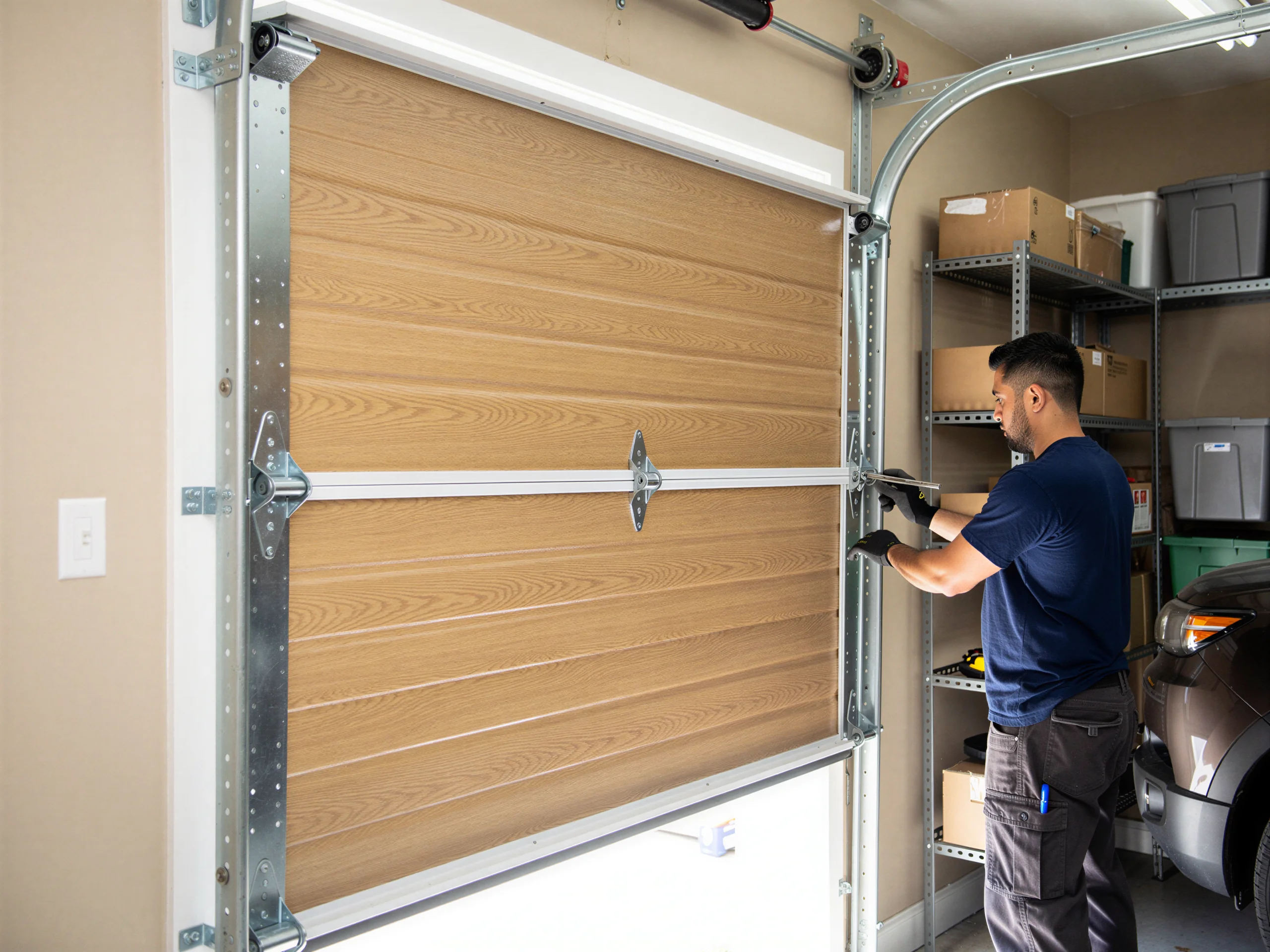
Most of the houses we get called to in this service area went up between 1976 and 2002, with the median build year landing around 1989. That matters more than people think. A door and opener installed when a house was new is now pushing 30 to 45 years old, and that's well past the design life of the torsion springs and the first-generation chain-drive openers that came standard in that era.
The climate here is on the moderate end of the heat band, not the brutal extremes some regions deal with, but Albany still runs hot stretches long enough to stress nylon gears, dry out lubricant in rollers, and make steel cable sag on hardware that's already decades old. It's not one dramatic weather event doing the damage - it's years of heat cycling on original parts that were never meant to last this long.
With roughly 1,441 owner-occupied houses across a service area of 2,618 households, a large share of what we see traces back to this same build window. Two areas in particular carry most of that 1980s-90s stock, which is why the failures repeat: same spring size, same opener logic board, same rusted-through bottom bracket, house after house.
Stocked Parts
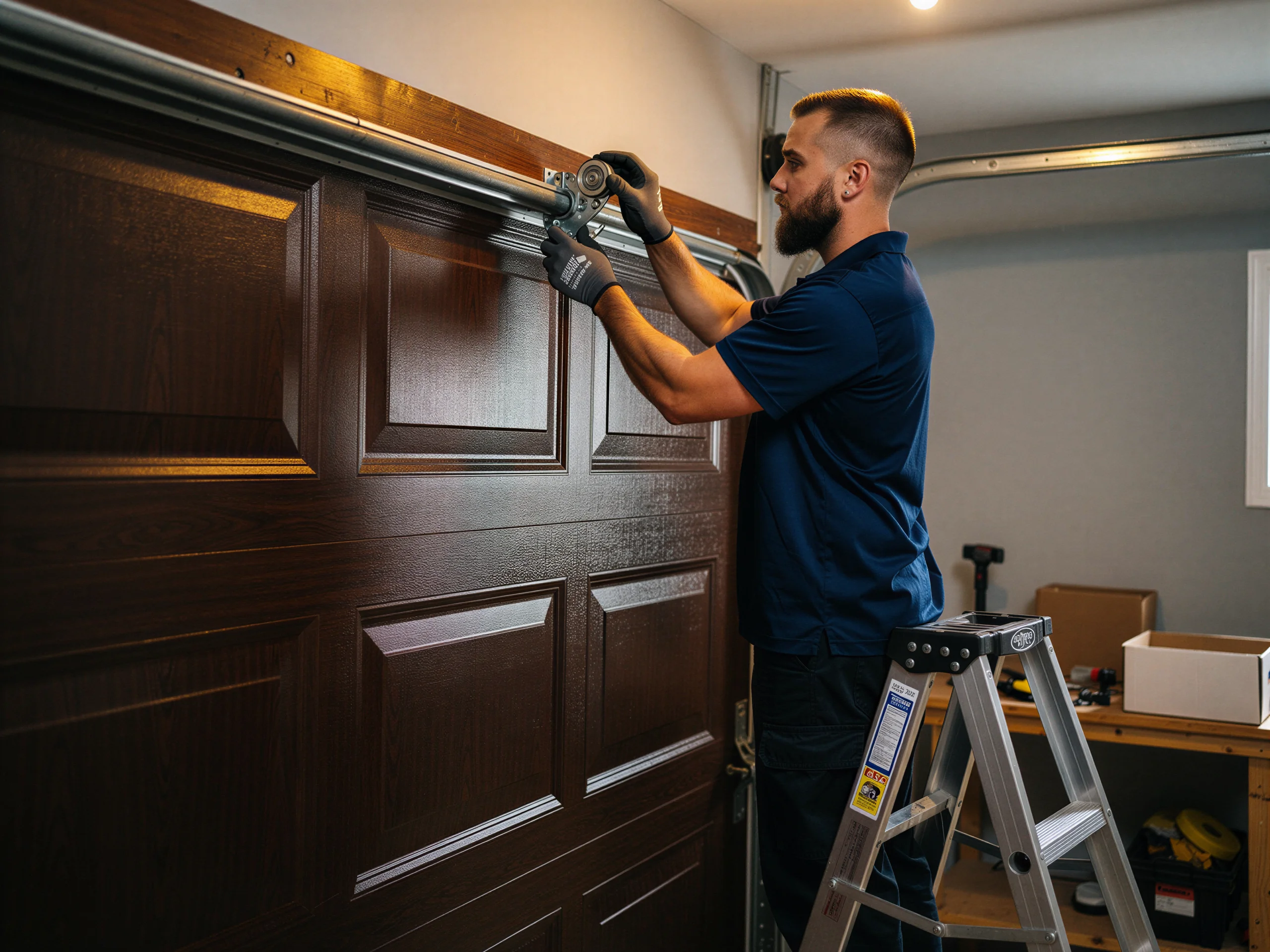
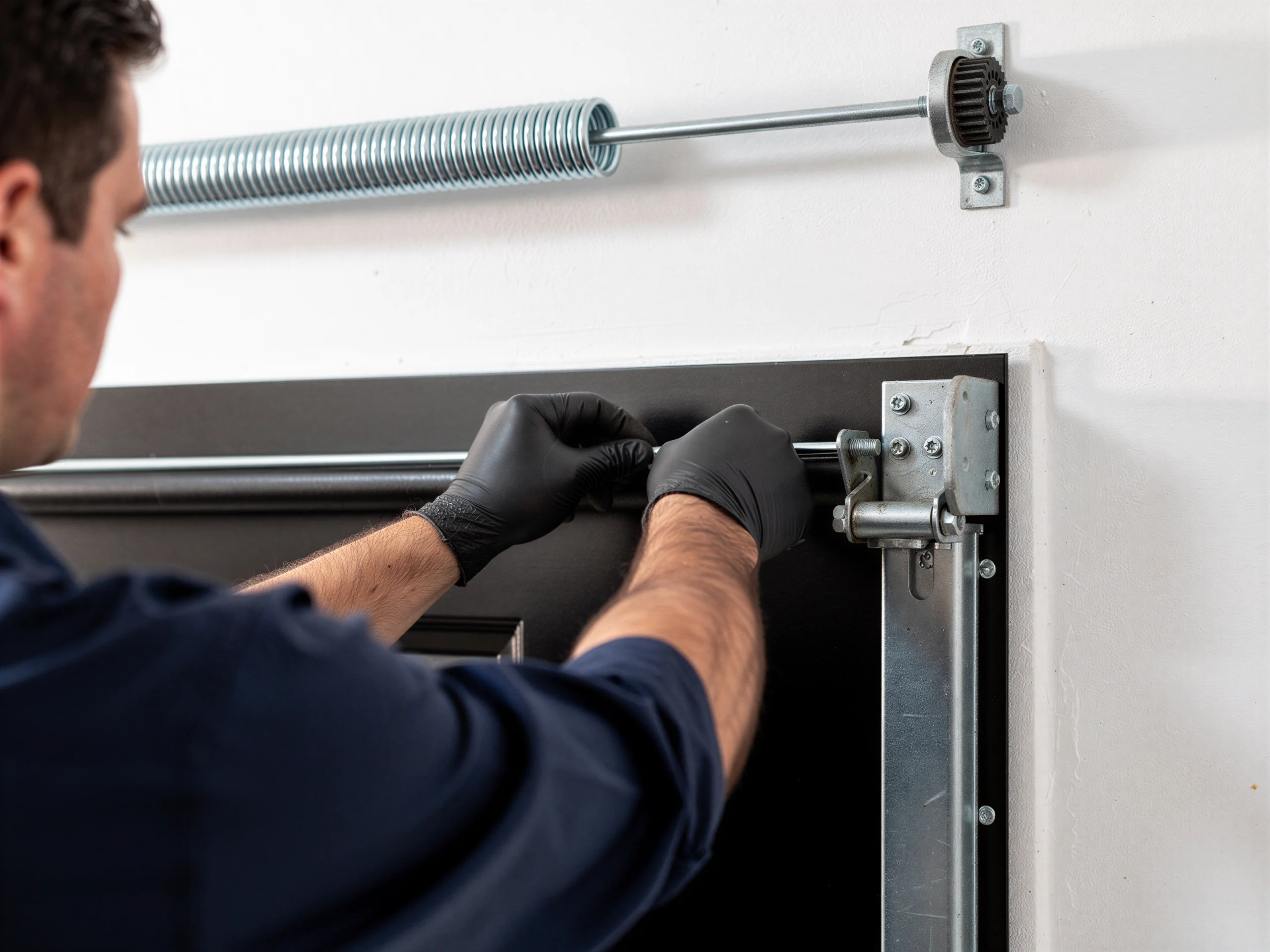
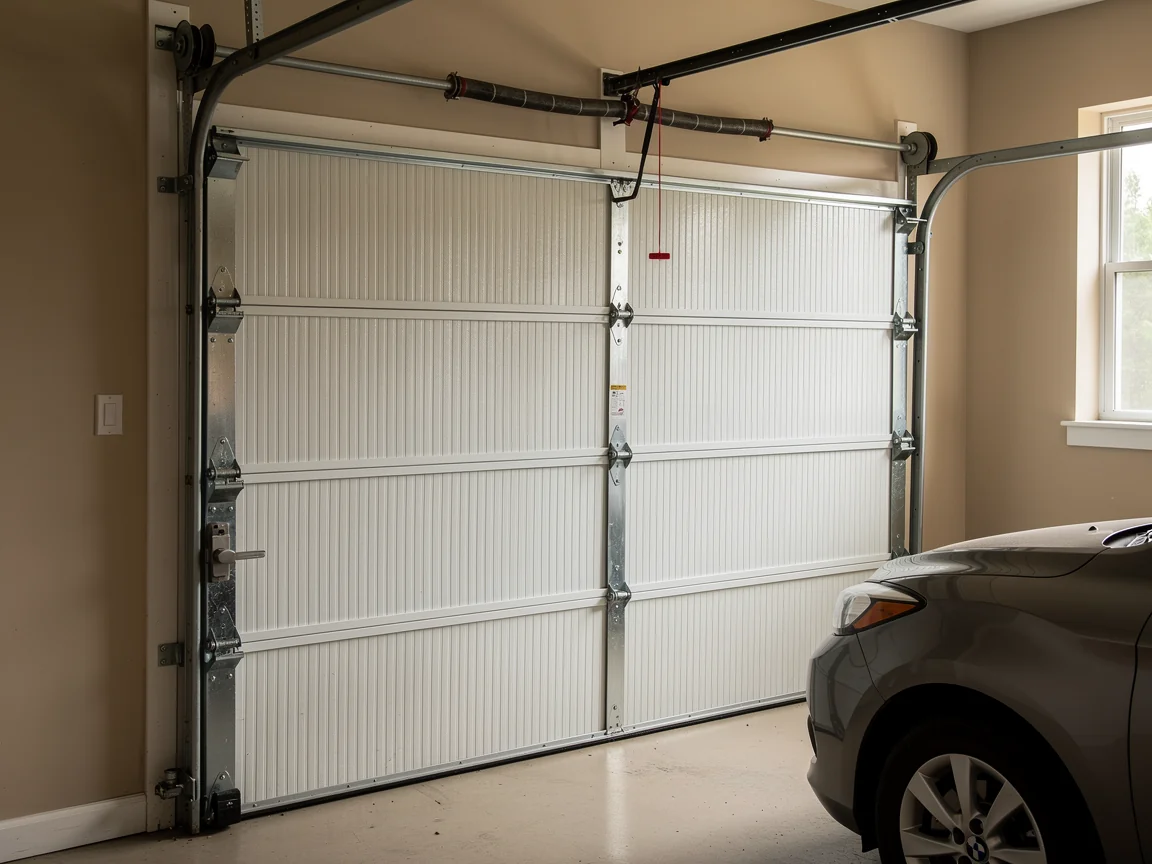
Because so much of the local housing dates to the same 15-20 year window, we carry the parts that actually fit those doors - standard torsion springs sized for the sectional steel doors common to late-70s through early-2000s construction, galvanized lift cable, and the drums and bearing plates that match that era's track hardware.
Truck-stocked logic boards
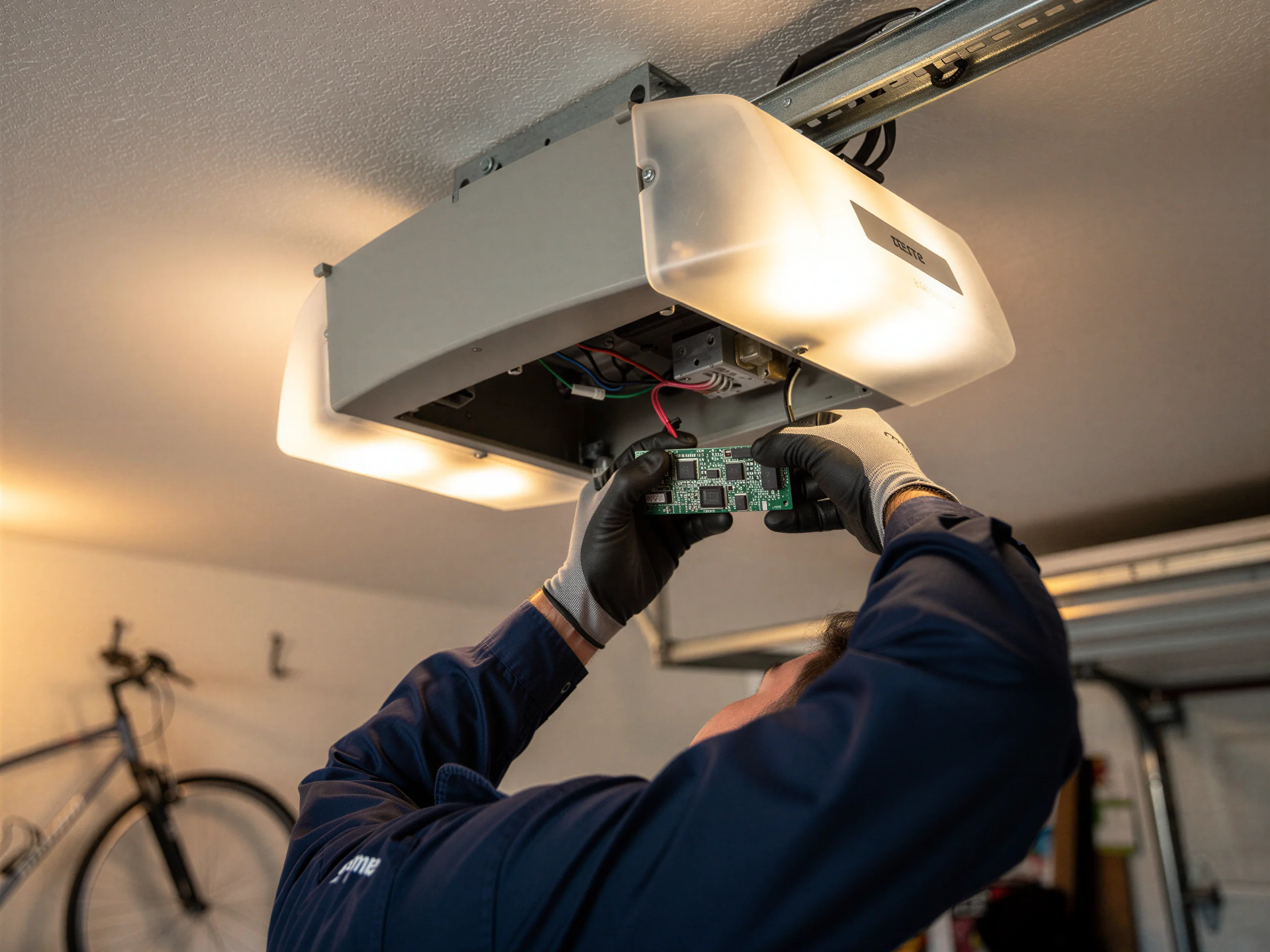
We also keep logic boards and belt-drive replacement kits on the truck for the openers that were mid-grade residential units when these houses were new. We don't stock every obscure part for every door ever made.
Special-order imported door parts
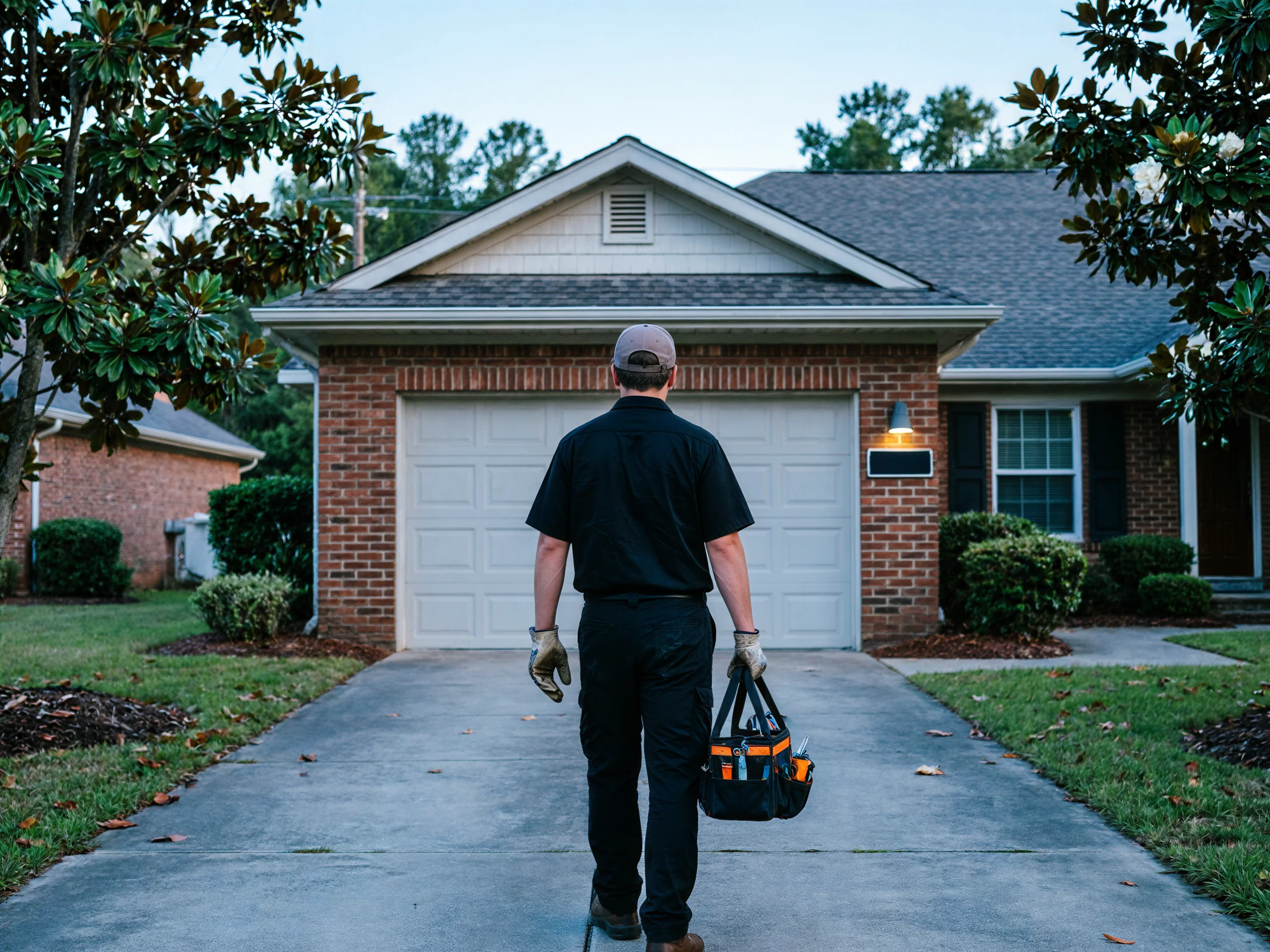
If a house has a custom or imported door outside that common build window, we may need to order a part, and we'll tell you that up front rather than make you wait at the curb while we guess. For the bulk of calls in this area, though, the parts on the truck match the doors on the street.
What You Are Seeing
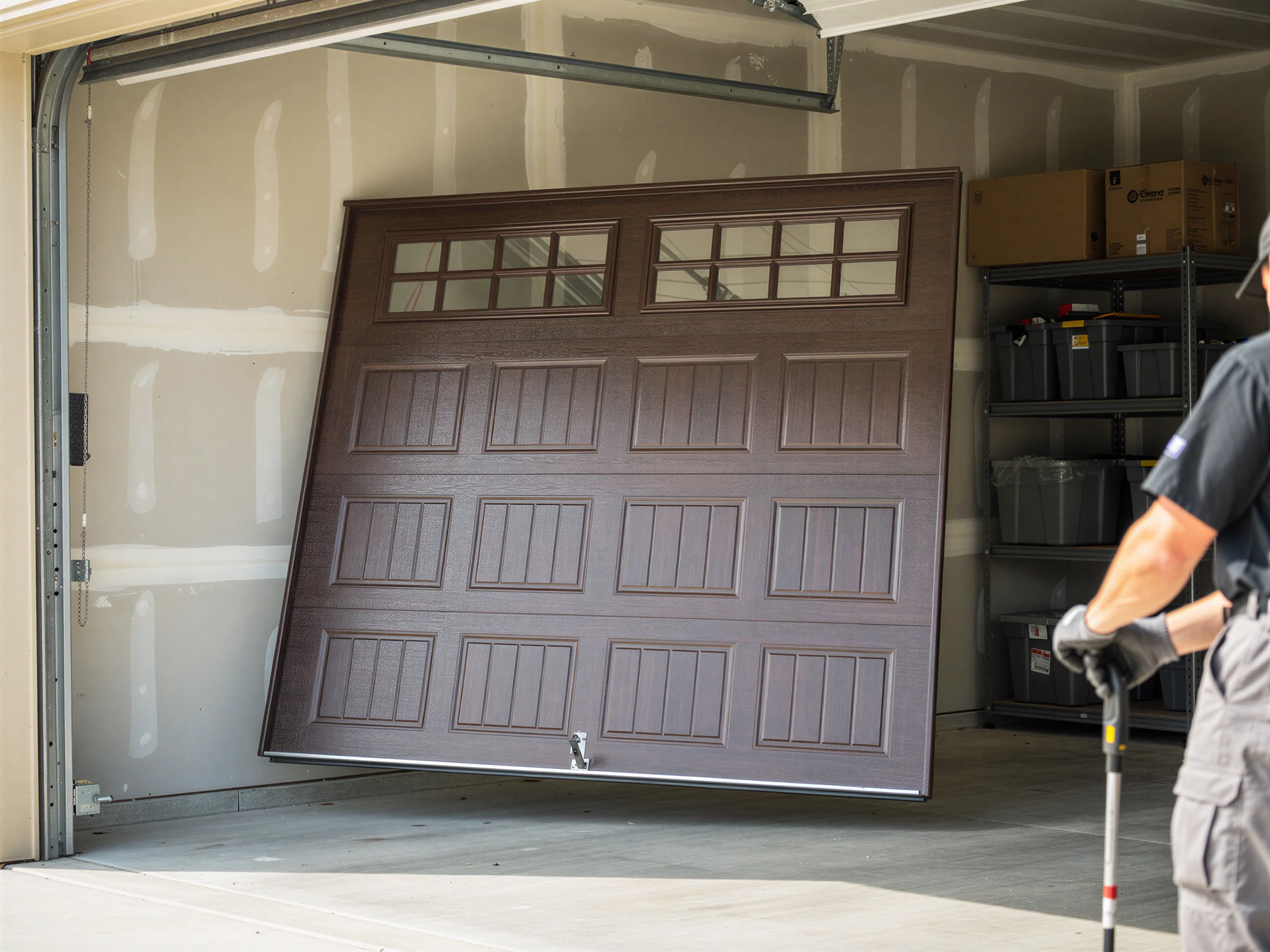
A door that won't budge, with the opener motor humming but the door not moving, usually means a broken torsion spring - common on houses from this build era because the springs were never replaced and have simply worn out. A door that slams down hard or drops suddenly is often a snapped cable or a spring on its last coils.
If the opener light blinks and the door reverses before it touches the floor, that's frequently a misaligned or failing safety sensor, a part that's had decades to drift out of position on original brackets. Grinding or popping when the door moves points to a worn roller or a bent track, both common wear items on doors this age.
A dead opener with no sound at all can be the logic board, a blown capacitor, or just a tripped breaker - worth checking before you call, since it saves you a trip charge if it's that simple.
How We Fix It
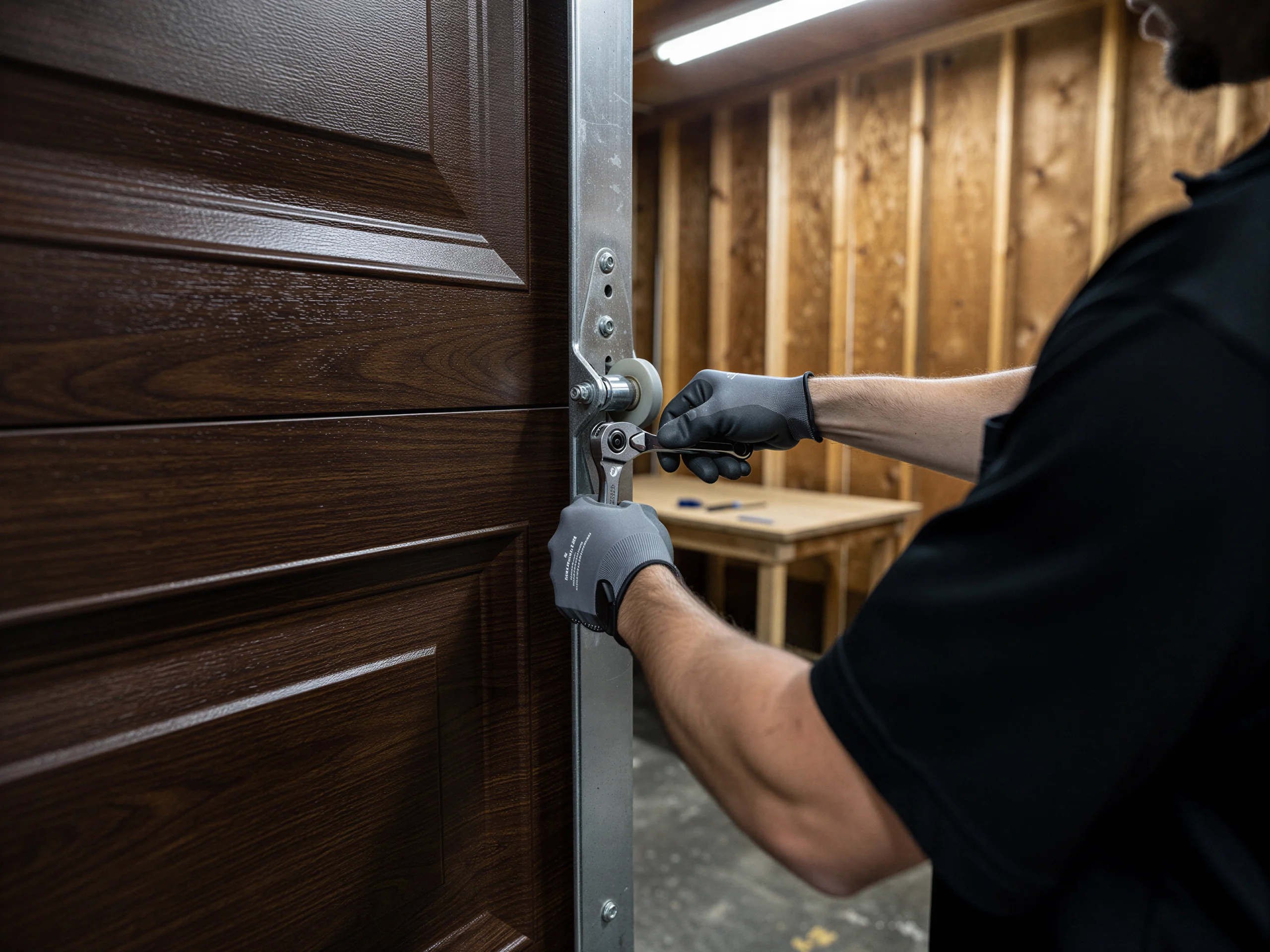
We get the door back to safe and operable on the same call for the failures we see most - broken spring, snapped cable, bad roller, misaligned sensor, failing logic board. The truck is stocked for 1980s-90s build hardware because that's most of what's out there in this service area.
For anything outside that - a custom door, an obscure opener model, or structural damage to the frame itself - we'll give you a straight answer on whether it's a repair or a replacement, and we won't push a fix that won't hold. Sometimes the honest call is that a 40-year-old door with a bent track and a worn-out opener isn't worth sinking more parts into, and we'll say so instead of running the meter.
Talk to a local pro
Garage door service in Albany?
Same-day service with honest, upfront quotes.