
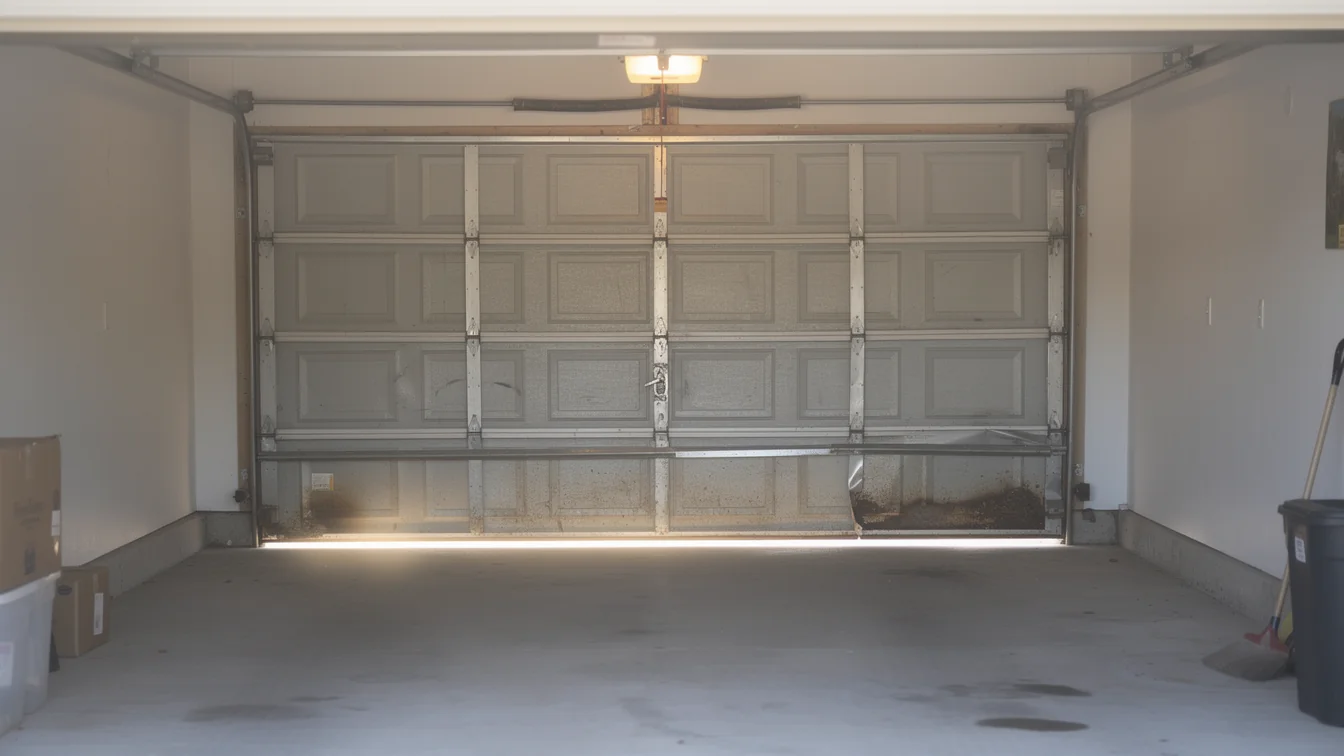
What Your Door Is Up Against in Albany
Most Albany-area homes date to 1976-2002.
Read moreWhat Albany homeowners actually pay for garage door work, why the area's 1976-2002 housing stock and moderate heat band matter, and when to stop DIYing it.
Local detail
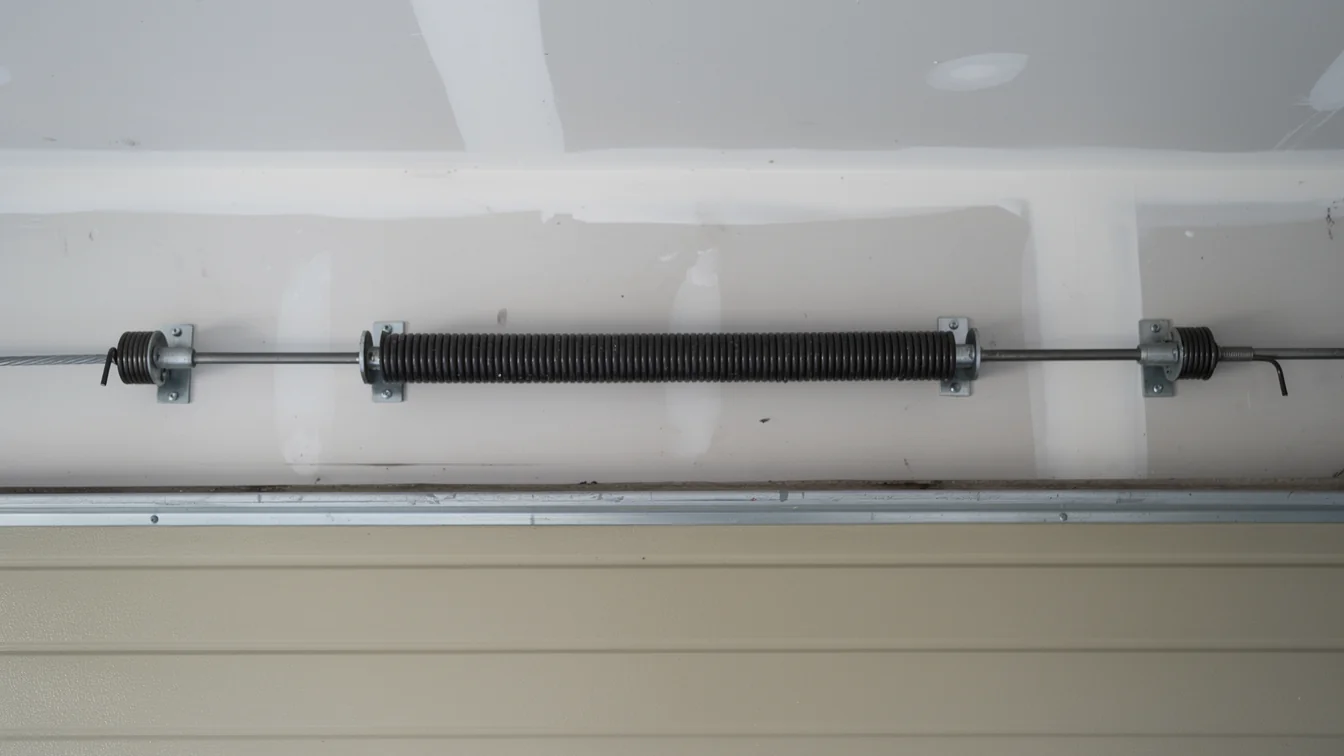
We don't have a price list to hand you here, and giving you a number without knowing what's on your garage would be a guess dressed up as a fact. What we can tell you is what drives the cost in this area. Albany's service area runs a median household income of $70,343, and most of the doors we're called out to are original to houses built between 1976 and 2002 - median build year 1989. That means two things: the hardware on a lot of these doors is old enough that matching parts isn't always a shelf item, and the doors themselves were built to a lower spec than what's sold today. A torsion spring swap on a door from that era is a different job than the same repair on a 2015 build with a different drum size and cable routing. If you want an actual number, call and describe the door - make, age, what it's doing wrong. Anything else is a page lying to you with confidence.
The area
Albany sits in a moderate heat climate band, not a freeze-thaw one. That matters because a lot of garage door advice you'll find online is written for places where the spring loses tension in cold weather or the track ices over - none of that applies here. What moderate heat does instead is work on the opener and the lubricant. Heat cycles the metal in springs and hinges, dries out old grease faster than cooler climates do, and pushes openers - especially ones installed when these 1980s and 90s houses were new - toward the end of their motor life a little sooner. If your door is sluggish only in the hottest part of the afternoon, that's a heat-expansion issue in the track or a tired opener capacitor, not a spring problem. Don't chase the wrong fix because a guide written for a cold-climate town told you to check for ice on the rail.
What we find
Walk through the two main pockets of housing here and you'll see the same pattern: steel sectional doors from the late 1970s through the early 2000s, mostly on extension or early torsion spring setups, often with the first or second opener the house ever had. With 1,441 owner-occupied houses across 2,618 households in the area, that's a lot of doors hitting 25 to 45 years old at the same time. The common failures track the age, not drama - worn rollers rattling in the track, a cable starting to fray at the drum, an opener gear set that's been grinding for a year before it finally strips. None of this is unique to one street; it's what you get when a whole area was built in a twenty-six year window and the doors are aging together. If your neighbor just had a spring go, yours is on the same clock.
How we work
Lubricating hinges and tightening loose hardware is fine to do yourself. Anything involving the torsion or extension spring is not - those are wound under enough tension to break a bone, and on a door built in the 1980s or 90s the spring size often isn't marked clearly or matches a standard that's since changed. If the door is off its track, if a cable has popped off the drum, or if the opener is pulling against something it shouldn't, stop and call. We also won't tell you to keep patching a door that's cheaper to replace: once the sections are rusted through or the track is bent in two places, repeated service calls cost more over a year than a new door would. That's the honest tradeoff, and it's the same whether you're near Putney, 8 miles out, or over toward Leesburg at 11 - the housing age is similar enough that the call is the same.
Questions
Albany's climate band is moderate heat, and that heat expands metal in the track and taxes an aging opener motor, especially on units installed when these 1980s-90s houses were built. It's usually a track alignment or motor-wear issue, not a spring problem - cold-weather spring advice from other regions doesn't apply here.
Most houses in the service area were built between 1976 and 2002, with a median build year of 1989. That puts a lot of original doors and first-generation openers somewhere between 25 and 45 years old right now, which is why failures tend to cluster by age rather than by any one street or neighborhood.
Depends on what's failing. A worn roller or a frayed cable on an otherwise sound steel door is worth fixing. A door with rust-through on multiple panels or a track bent in more than one spot usually costs more to keep patching than to replace outright over a year's worth of service calls.
Yes - the service area extends out toward Putney, about 8 miles away, and Leesburg, about 11 miles out, both of which share similar 1980s-90s housing stock and the same moderate heat climate band as Albany itself.
Recommendation
More garage door guides for Albany homeowners.
Most Albany-area homes date to 1976-2002.
Read more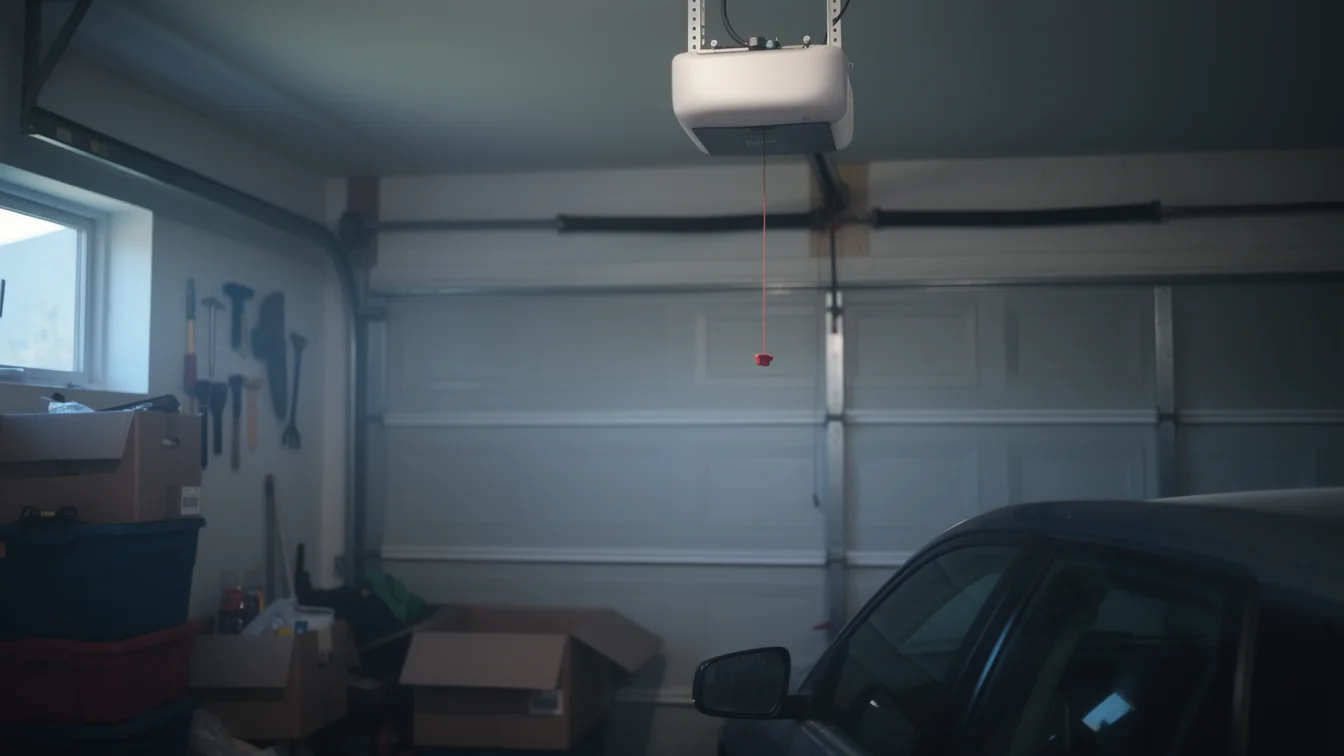
A look at what garage door work actually costs and when it's worth it for Albany, GA houses built mostly between 1976 and 2002, plus what local heat does to openers.
Read more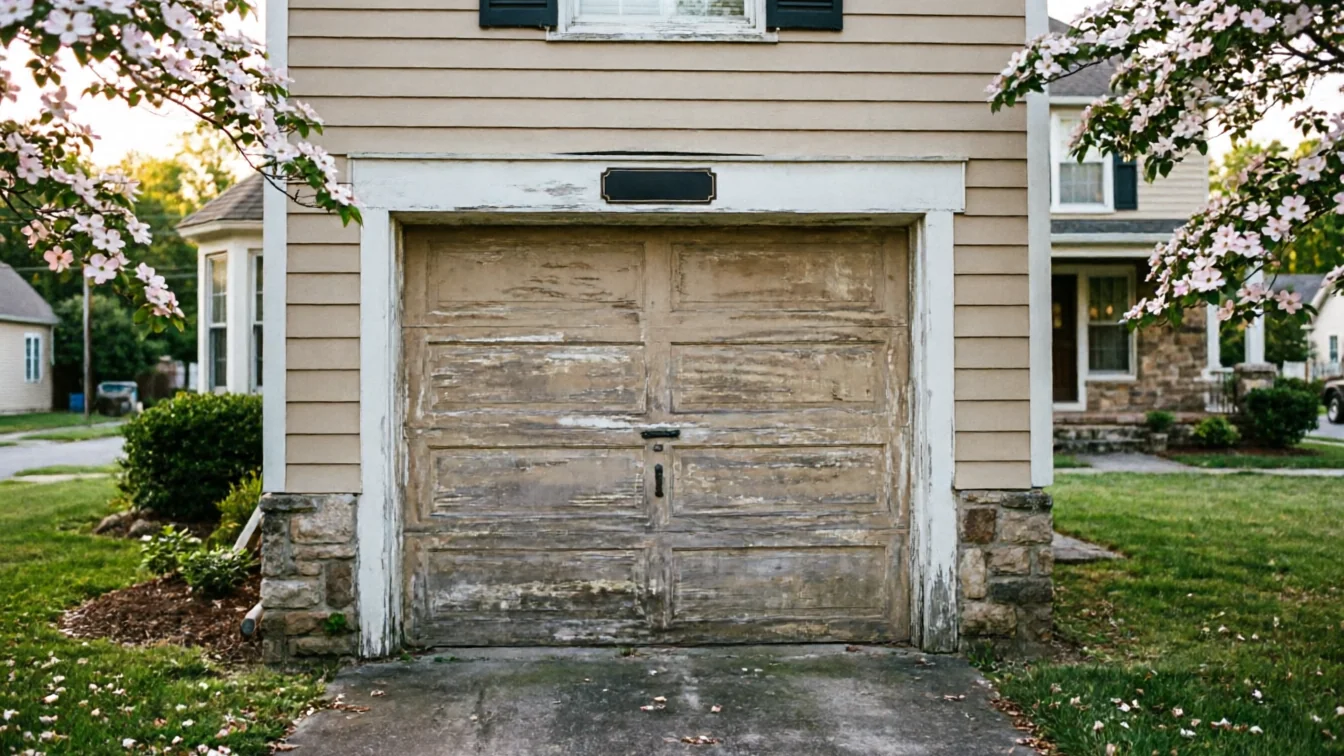
Albany homeowners with 1980s and '90s garage doors: see what's worth repairing, what Georgia heat does to tracks and springs, and when to replace instead.
Read moreReady when you are
Albany Garage Door Pros repairs and installs garage doors, springs and openers in Albany, GA and the surrounding area.