Time on the Job
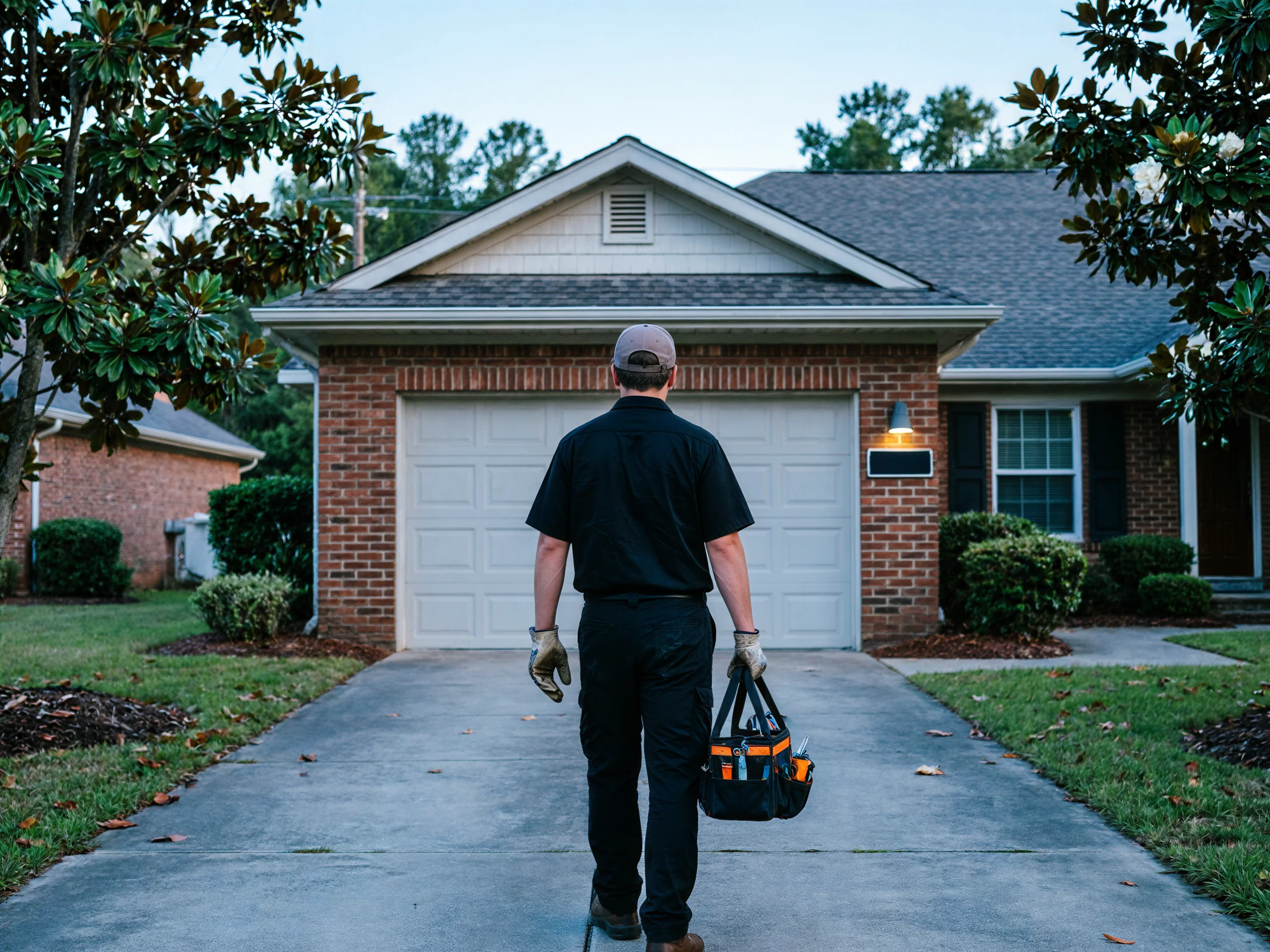
A straight roller swap is one of the shorter jobs on the truck, but we still come out from Albany to do it right, which means an eleven-mile drive before the first roller ever comes off the track.
Travel time for roller visits
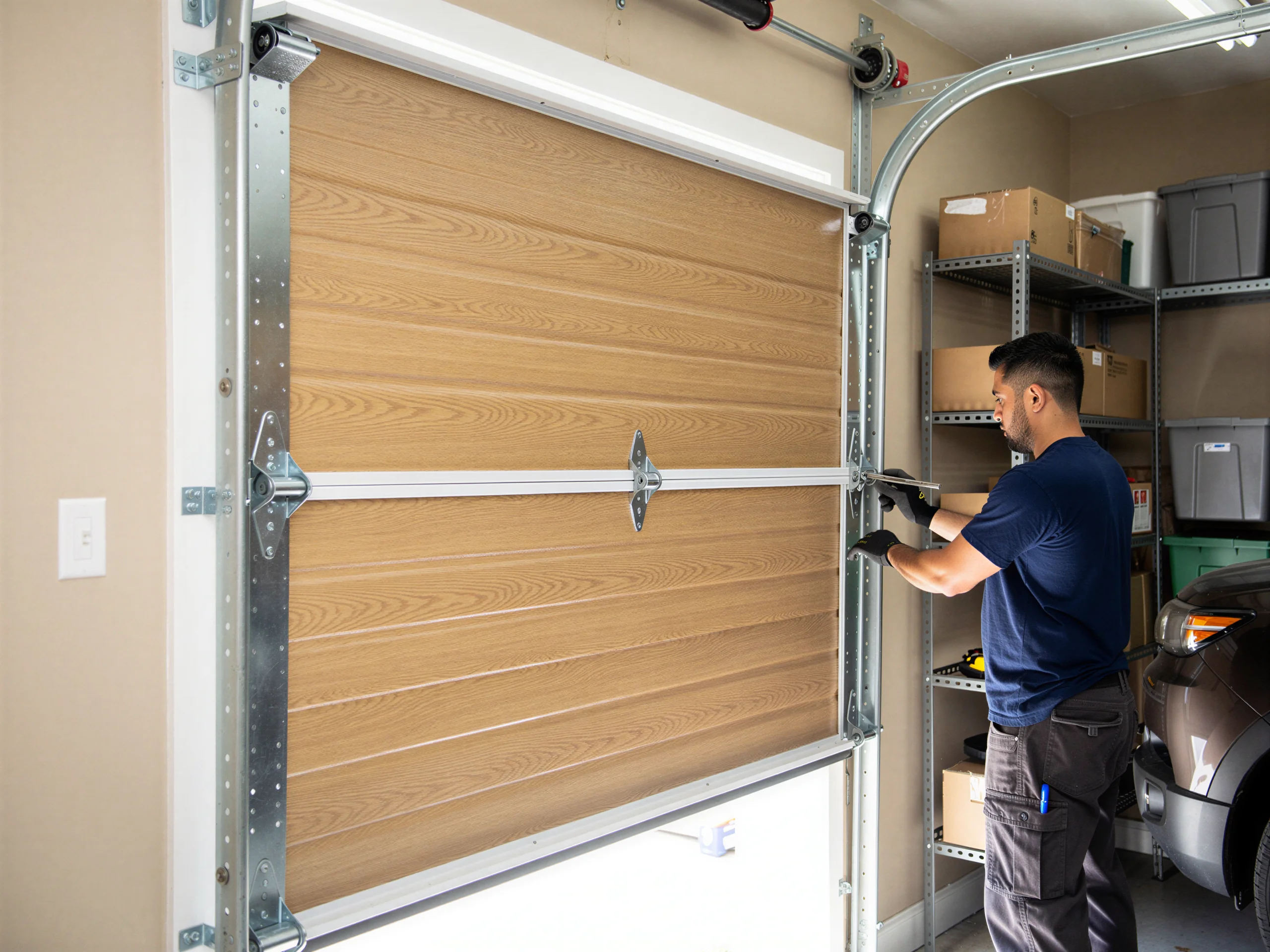
That's not a complaint - it's just the math of covering a suburb instead of sitting in it. Once we're at the door, pulling and replacing a full set of rollers, checking the track for wear grooves, and making sure the door rolls true again doesn't take long.
Diagnosing roller noise on-site
What takes longer is diagnosing whether the noise you're hearing is actually the rollers, or whether it's a cable, a hinge, or a spring that's about to go next. We won't guess on that over the phone.
Related garage door pages
If you want the fuller rundown on what we do for doors generally in this area, that's covered on our Leesburg garage doors page, and if roller replacement itself is the question but you're closer to Albany proper, that version of this page has the pricing that applies there instead - this page is about the numbers specific to Leesburg.
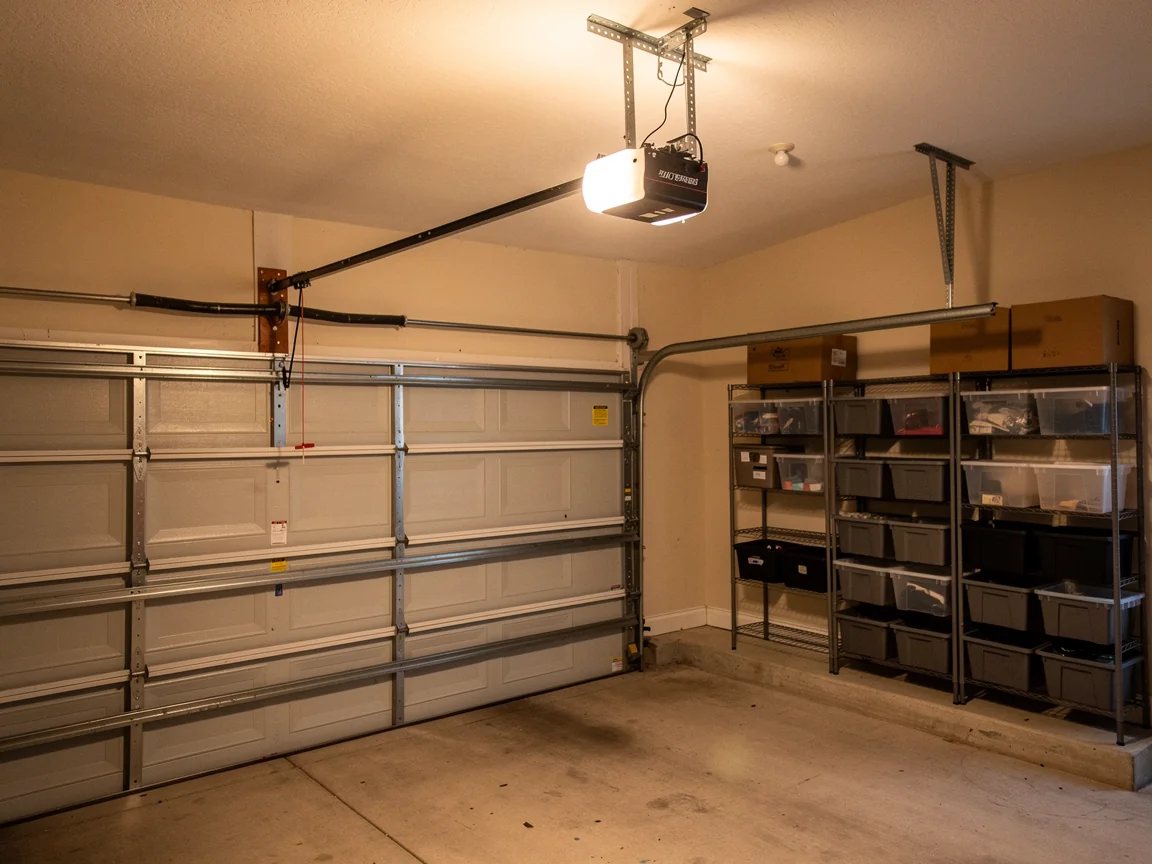
What You Are Seeing
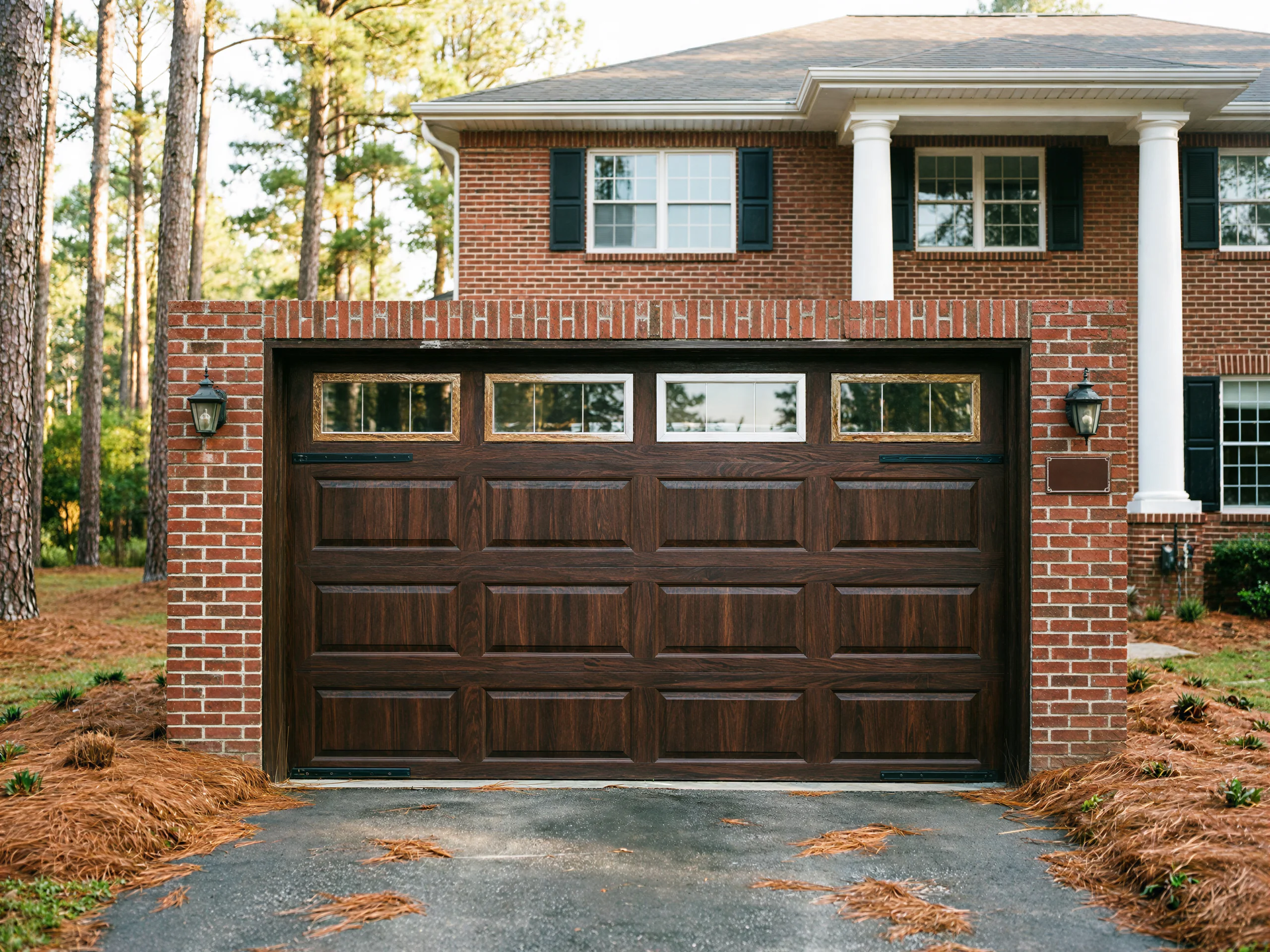
Leesburg's housing stock is newer than a lot of what we service - the median year built here lands around 2002, which is late in the broader 1976-2002 range for the area overall. That matters for rollers specifically because nylon rollers have a working life, and a door built right around 2002 is hitting that ceiling about now. What you'll notice first is usually a rattle or a hop as the door passes a particular spot on the track - almost always the same spot, because it's the same bad roller catching the same seam every cycle. Sometimes it's a grinding sound instead of a rattle, which usually means the roller's bearing is gone and it's riding on bare metal. Either way, the track itself is rarely the problem at this stage. It's the eight small wheels doing the work, worn down from twenty-some years of opening and closing.
What You Pay
Leesburg's median household income sits at $71,071, a touch above the $70,343 median for the wider area we cover. At that income level, a full roller replacement is almost never the thing that decides whether a door gets fixed or replaced outright - it's a smaller job than a spring or an opener, and it's usually the right call rather than a stopgap. Where the math changes is if the rollers are the symptom of something bigger: a track that's bent, a panel that's cracked from years of a roller riding rough against it, or an opener straining against resistance it shouldn't have to fight. We'll tell you straight if that's what we're looking at. We don't pad a roller call into a bigger sale, and we also won't quietly skip telling you the door needs more than new wheels if that's what it needs. The honest limit here: if the door's structurally tired, new rollers buy you a little time, not a fix.
How We Fix It
For most doors in Leesburg, we're pulling the old nylon rollers and putting in sealed-bearing nylon replacements - quieter and longer-lived than the stamped-steel rollers that showed up on a lot of doors built in the earlier part of the 1976-2002 window.
Direct nylon roller swap
On a door that's closer to that 2002 median, the rollers are usually still nylon to begin with, so it's a direct swap rather than an upgrade conversation.
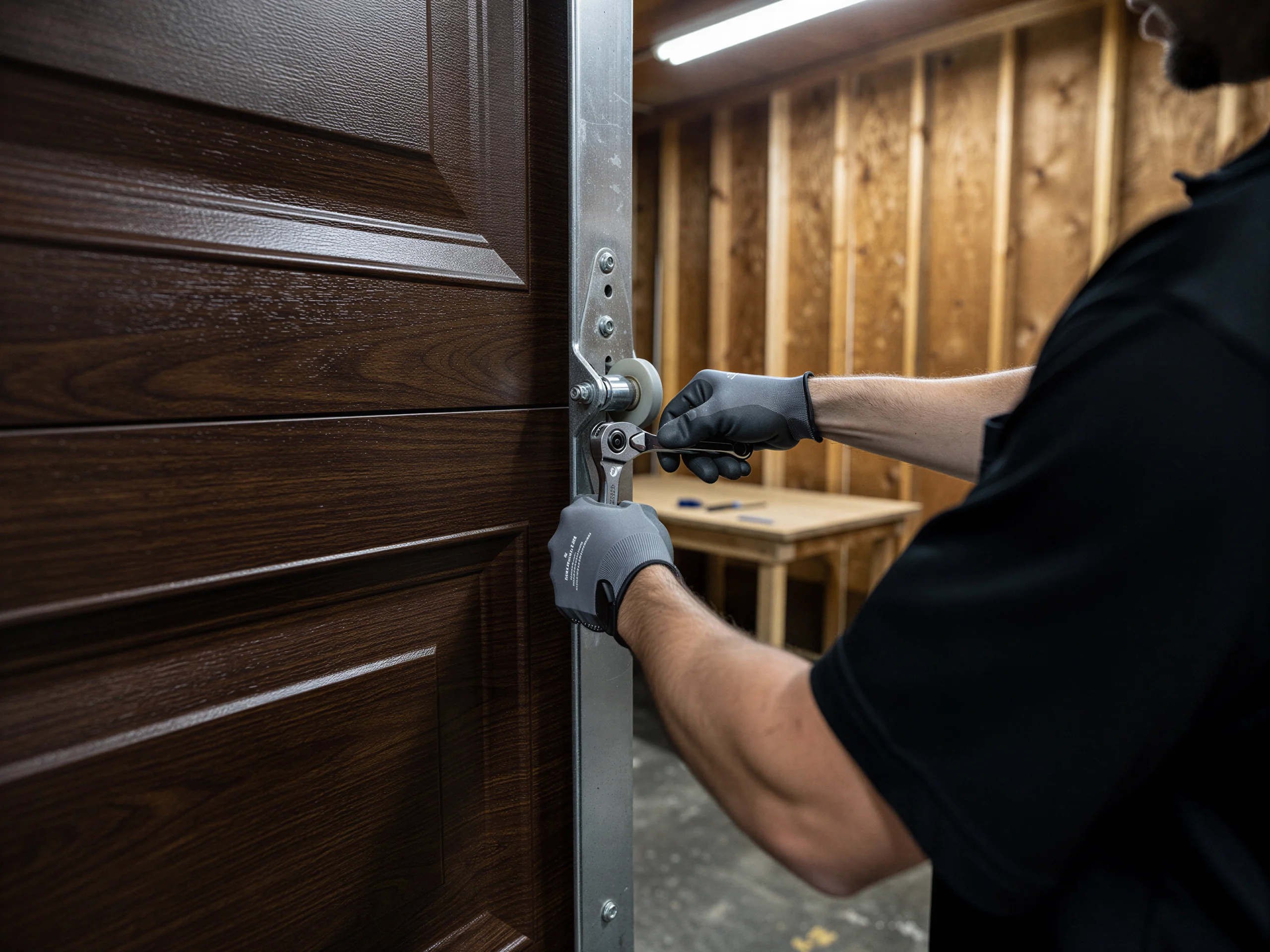
Panel-by-panel roller removal
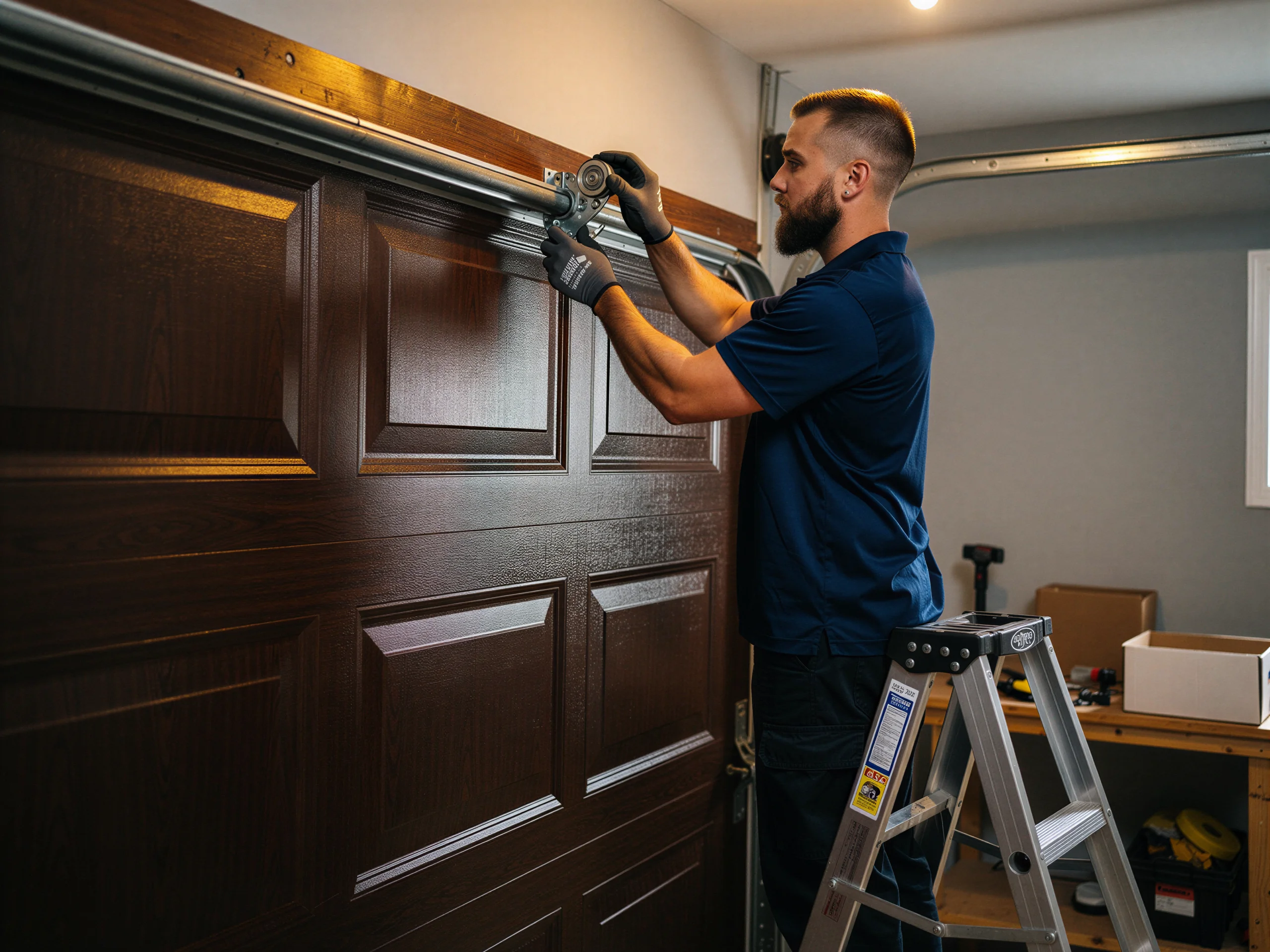
We pull one panel's worth of rollers at a time so the door never comes fully off its track, check the hinges each roller sits in while we're there, and run the door through a few full cycles before we call it done.
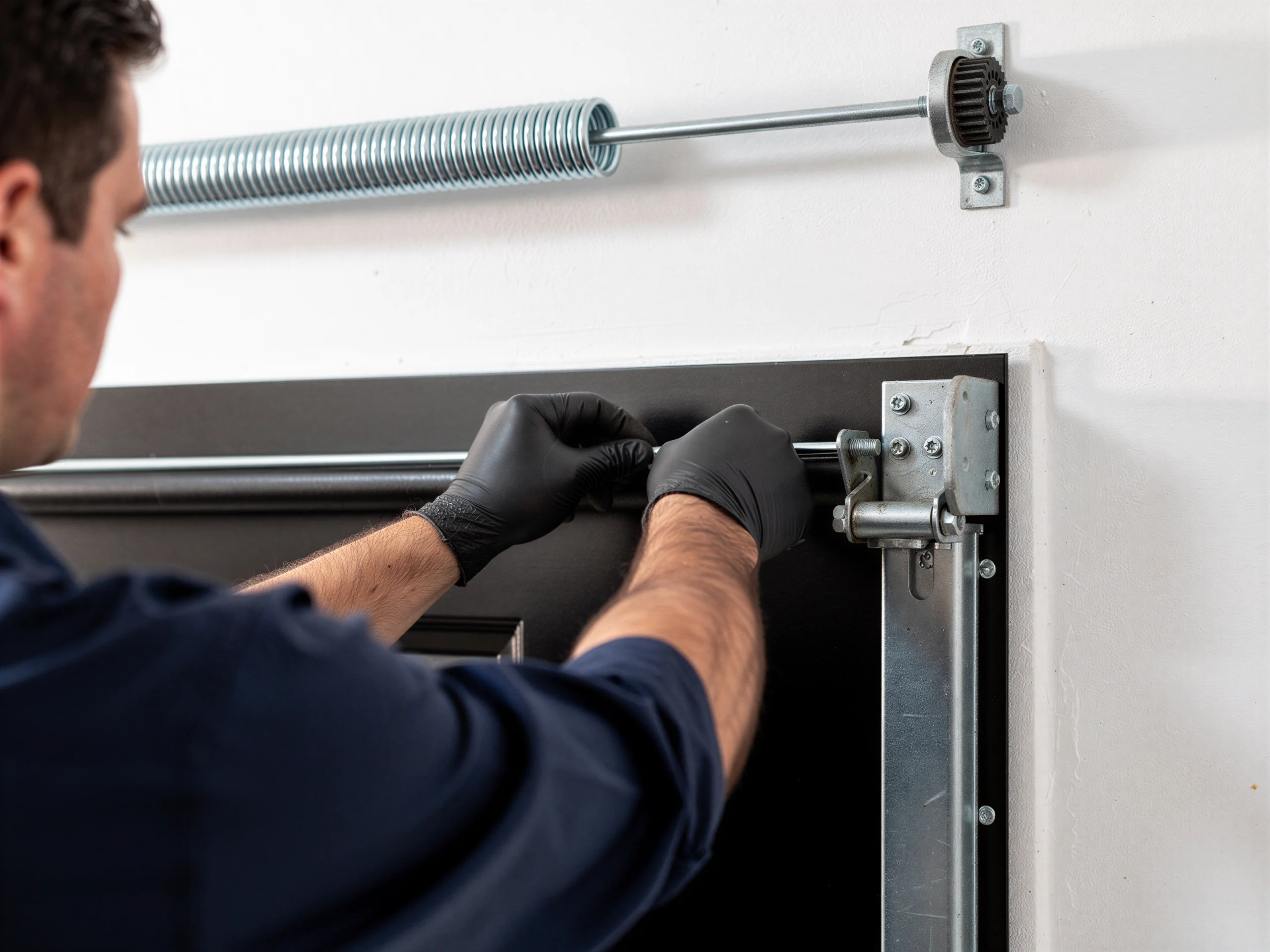
Worn hinge holes and stems
If a hinge is bent or a roller stem has worn its hole oval, we'll flag it - a new roller in a worn hinge just wears loose again fast. We carry common roller sizes on the truck; an uncommon stem length on an older or imported door sometimes means a short wait on the part.
The Complications
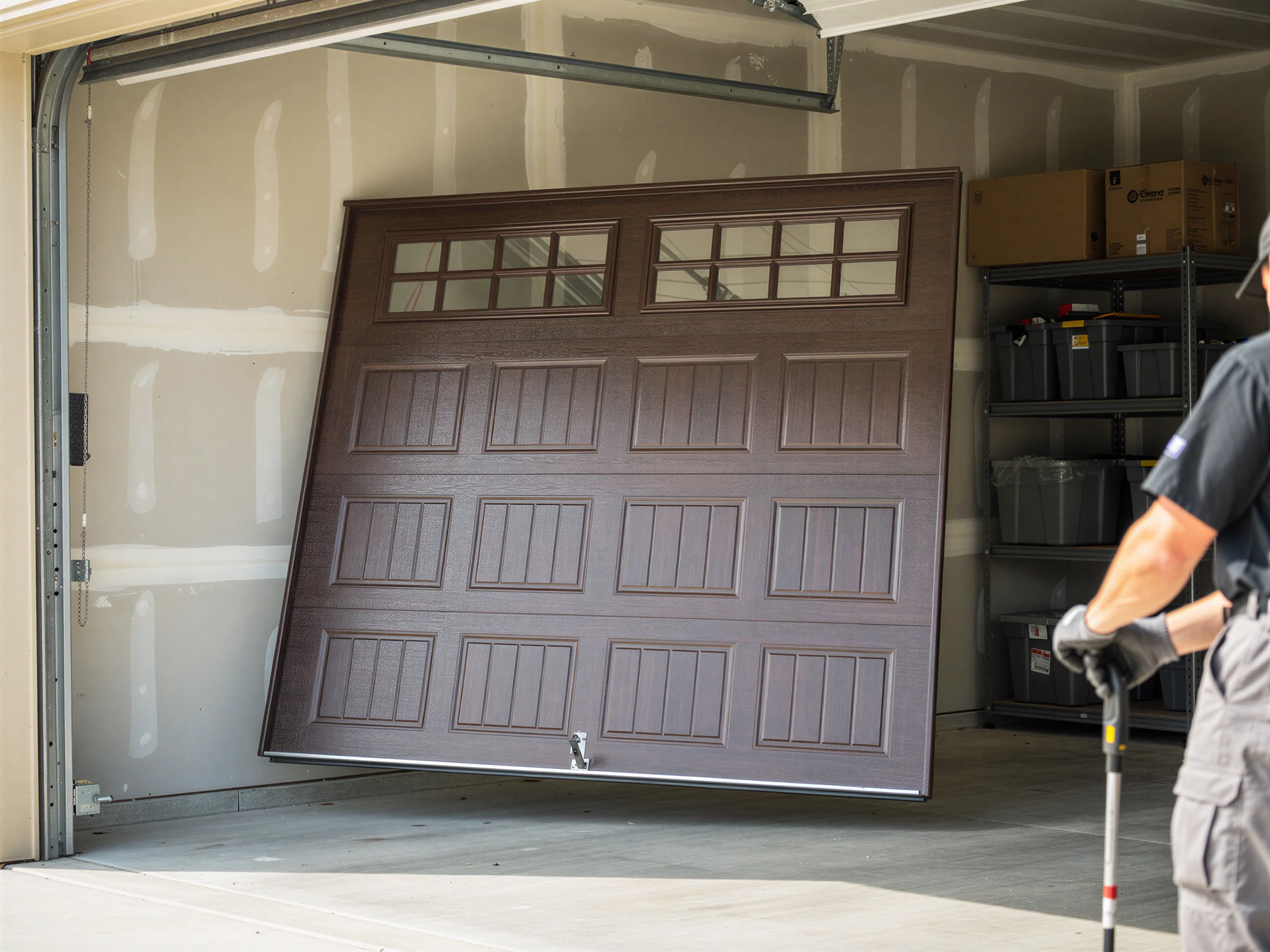
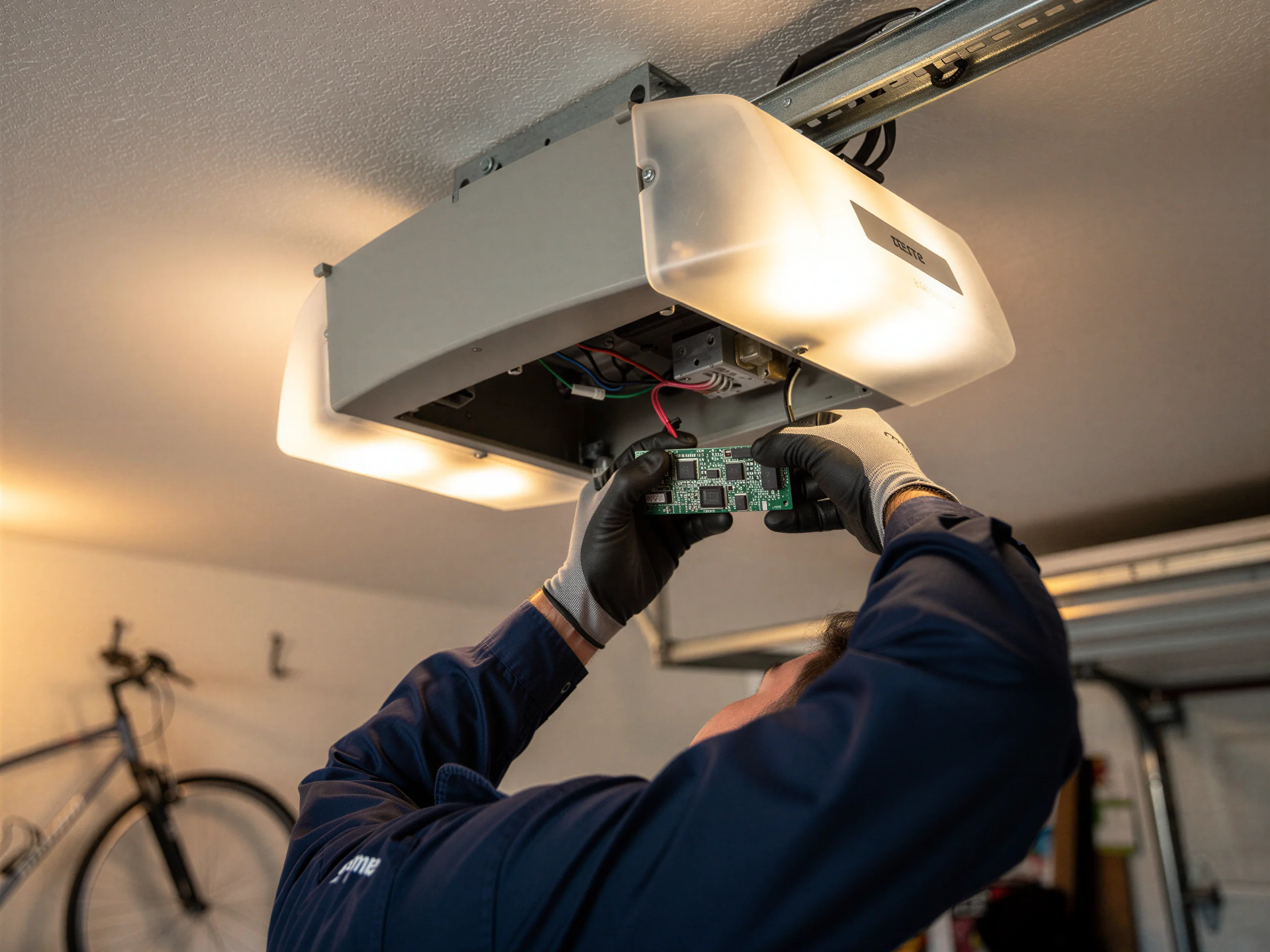
The complication we run into most in Leesburg isn't the rollers themselves - it's catching damage they've already caused. A roller that's been grinding for months can wear a groove into the track, and a groove doesn't un-wear itself when you put a new roller in; sometimes the track section needs straightening or replacing alongside the rollers. On doors near the newer end of the local housing range, we also see openers that have been quietly compensating for roller drag - the motor works harder than it should, which shortens its life even though the opener itself is fine. We'll check for that while we're there. What we won't do is replace rollers and ignore a track that's clearly bent, because the new rollers will just wear unevenly against it within a season. That's a second trip we'd rather you not pay for.
What Causes It Around Here
The straightforward cause is age lining up with a mild climate. The area runs in a moderate heat band rather than an extreme one, so we don't get the kind of summer swelling and winter contraction that chews through hardware fast in harsher climates - but moderate heat still dries out nylon rollers over years, and cracked nylon is cracked nylon no matter how gently it got there. Leesburg's housing sits later in the area's 1976-2002 building window, with a median year built around 2002, so a good share of doors here are hitting twenty-plus years on their original rollers right about now, as a group, around the same time. That's different from the older pockets we cover, where rollers failed one at a time over a longer stretch. Here it tends to come in waves tied to when a given street of houses went up.
Talk to a local pro
Garage door service in Albany?
Same-day service with honest, upfront quotes.